

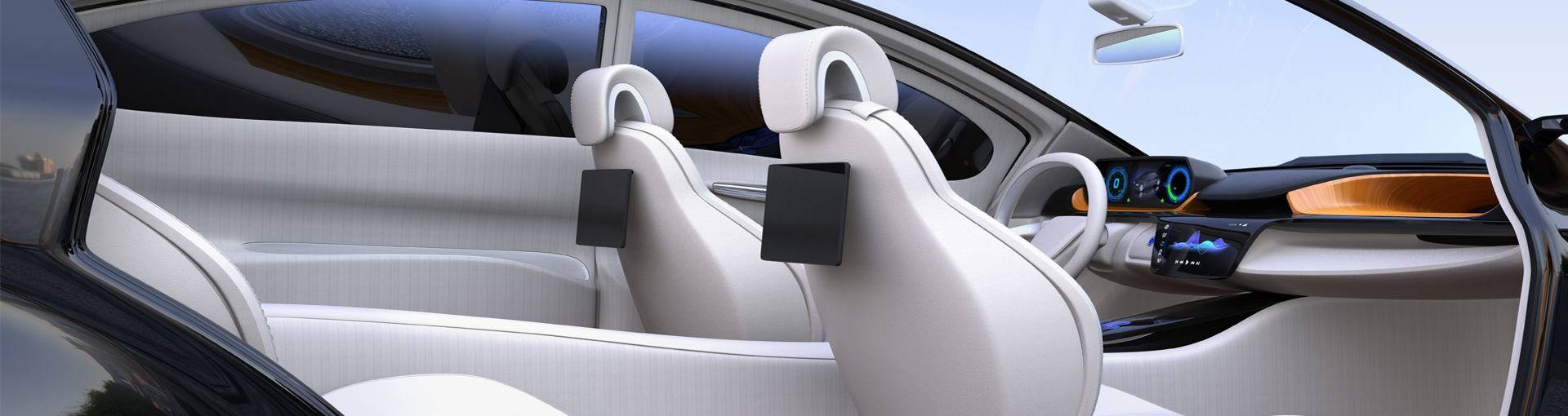
Automotive Interior Industry
-
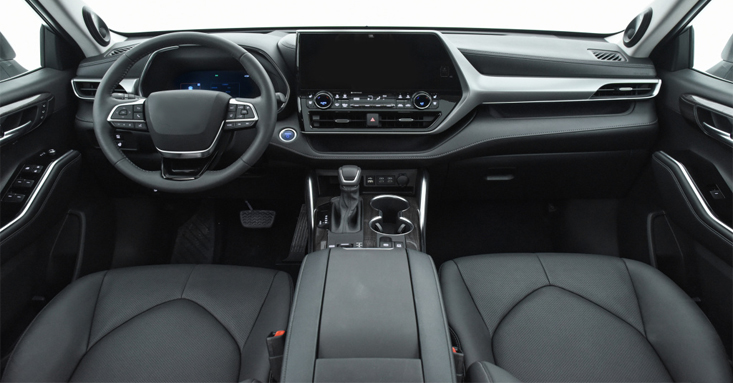 Industry Trends & Customer Challenges
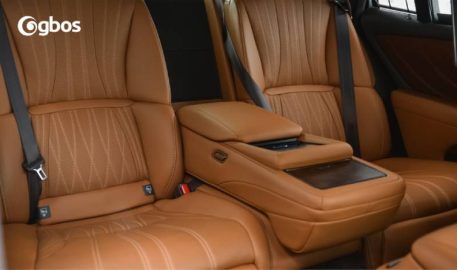
The automotive interior industry works with a wide variety of materials in large volumes. From large-format pieces like seats and floor mats to precision tasks such as marking function buttons and engraving interior patterns, manufacturers face tough challenges—high labor costs, low precision, poor quality, and low efficiency.
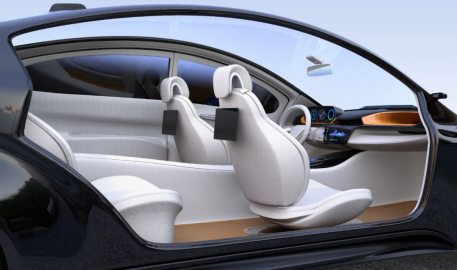
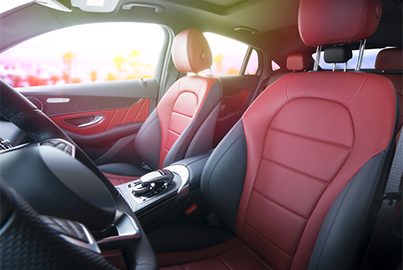
The rapid rise of new energy vehicles has sharply increased demand for high-quality, attractive interiors—comfort is now a key factor in consumers' vehicle choices.
To keep up, manufacturers and brands must move past inefficient production—seeking multifunctional, all-material, high-precision, labor-saving digital machinery to meet increasingly personalized demand.
-
 Advantages of GBOS Solutions
Customized Solutions: Tailored cutting for flexible automotive interior materials—leather, foam, composites—across cutting, marking, engraving, and punching for optimal results.
Fully Automated Process: Highly automated workflows powered by our in-house software cut labor costs and speed up order response—ideal for personalized, customized production.
Digitalized Production: An IoT system with data visualization monitors production and equipment status in real time, maximizing efficiency in digital production management.
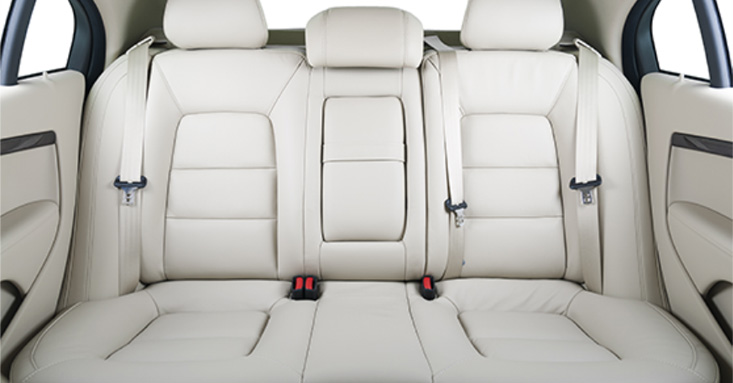
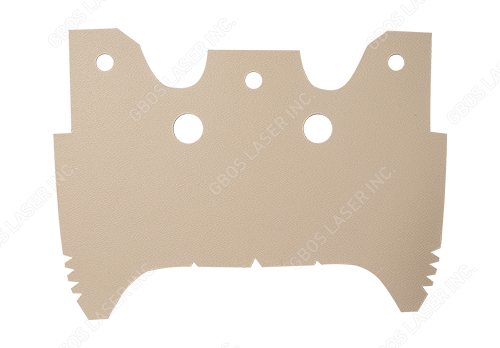
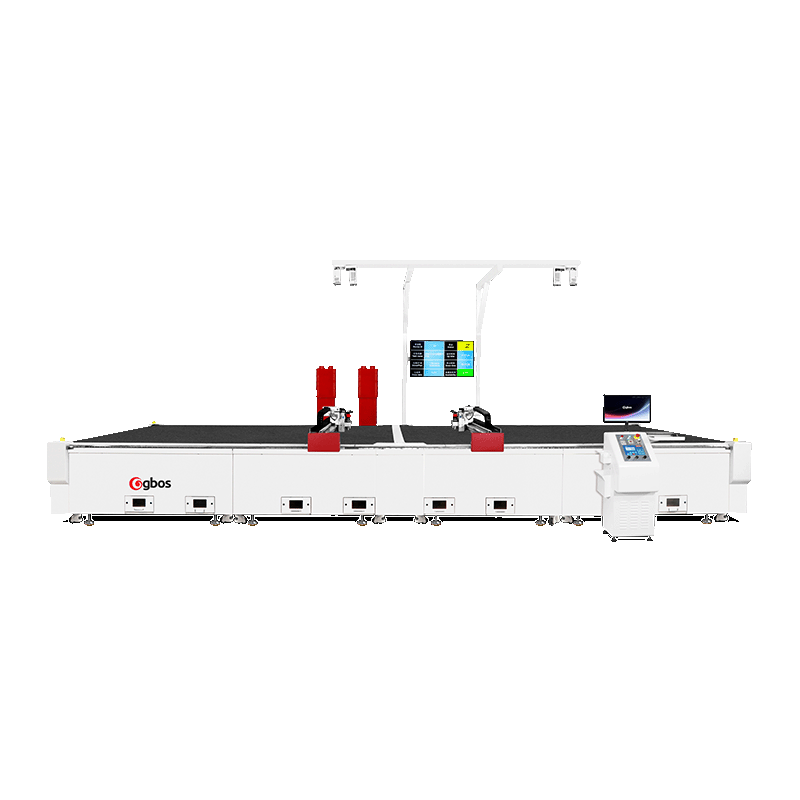
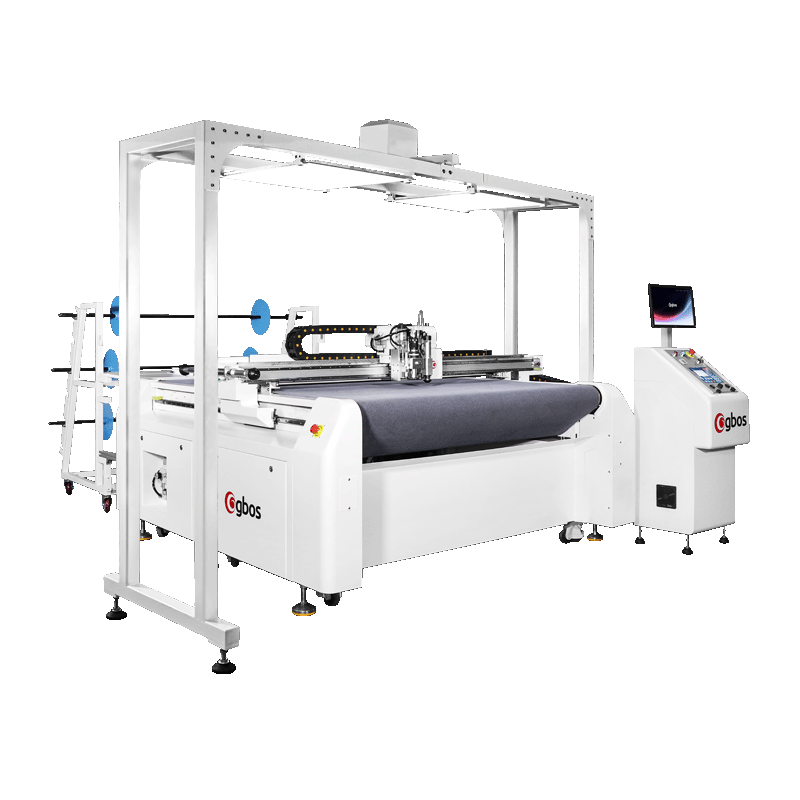
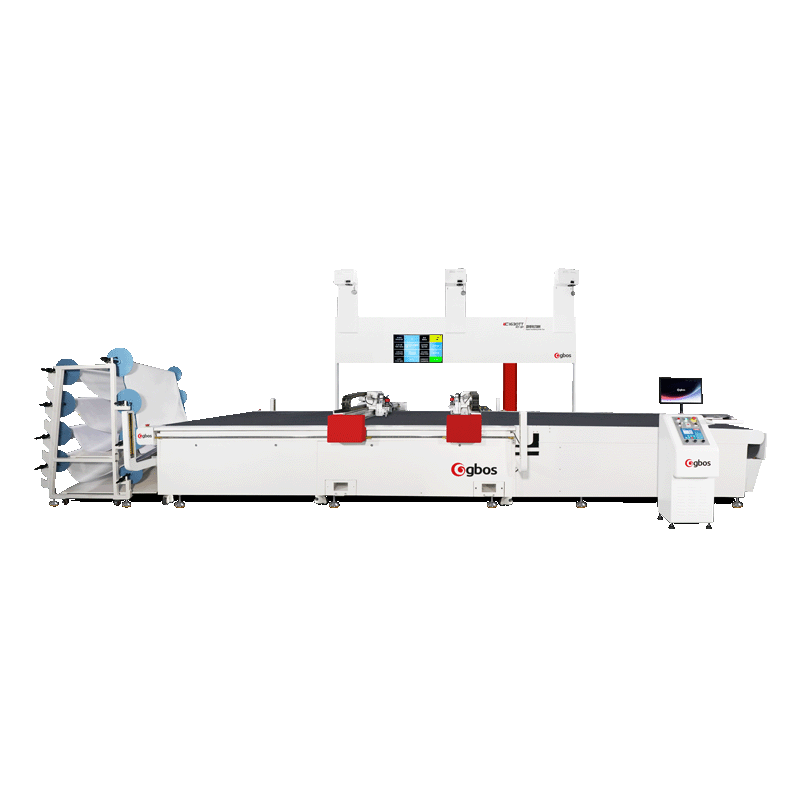
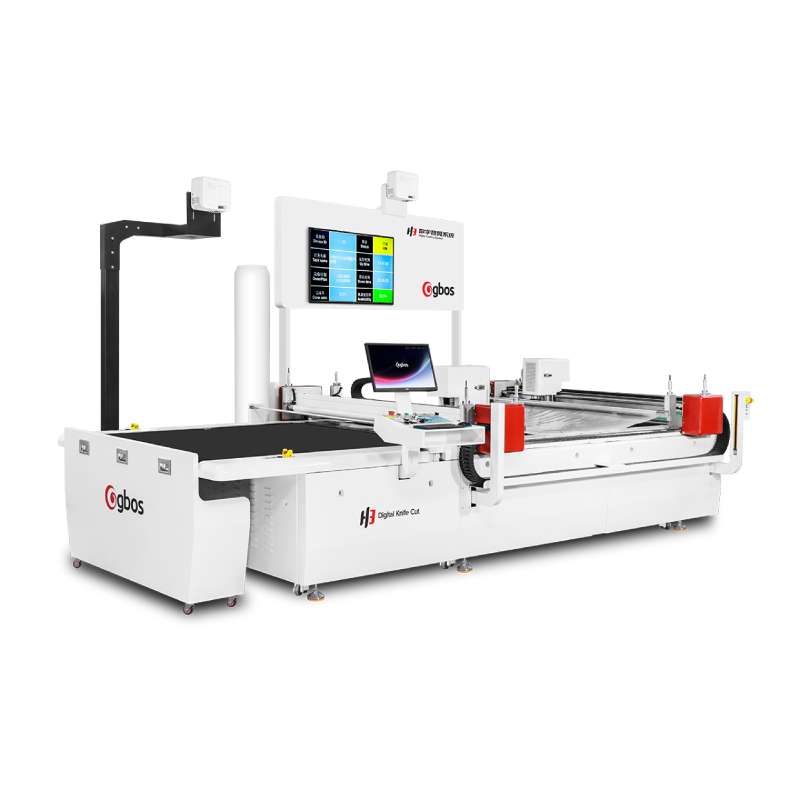
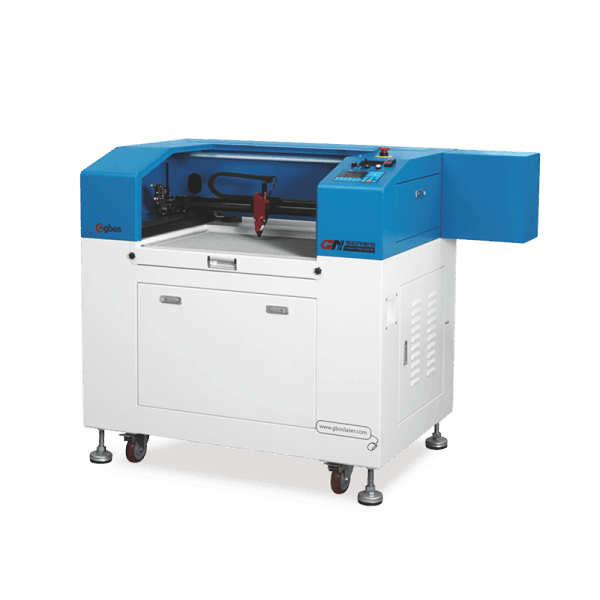
- Automotive Interior (Flexible Material) Cutting Solutions
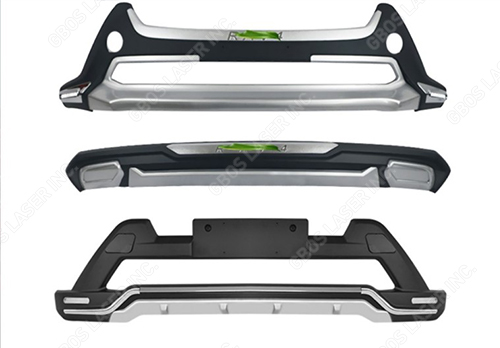
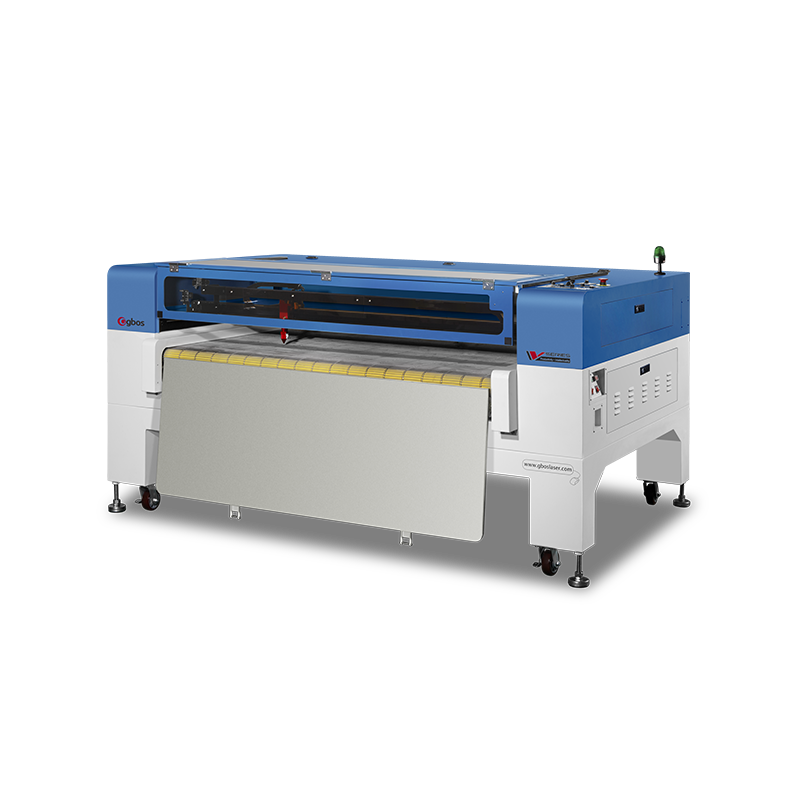
- Automotive Exterior Materials Laser Cutting Solutions
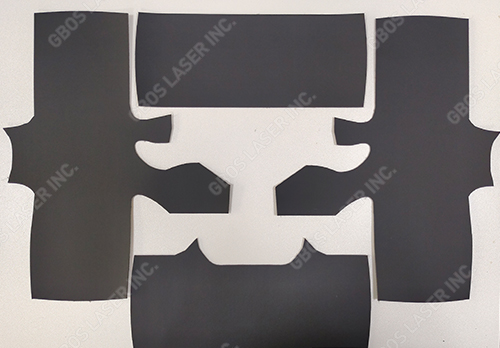
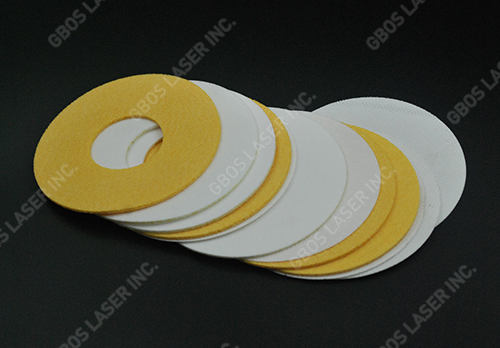
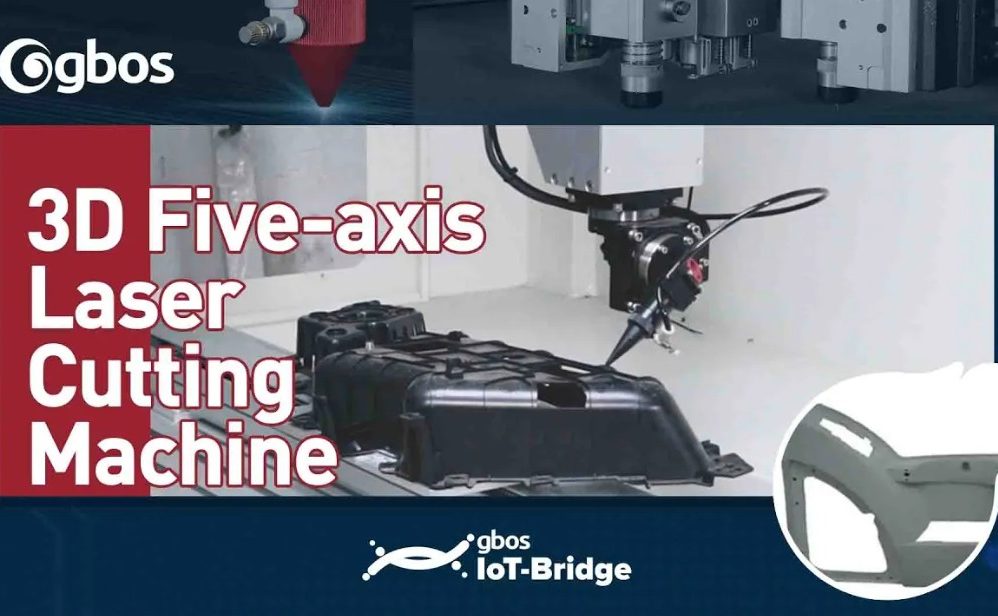
- Shaped Materials Laser Cutting & Trimming Solution
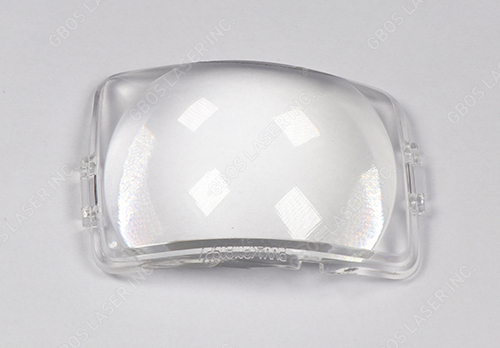
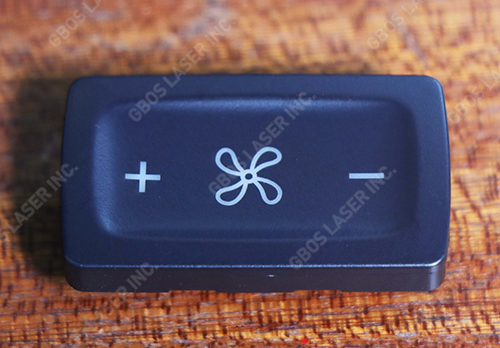
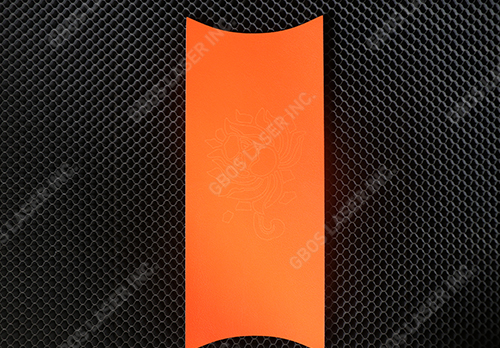
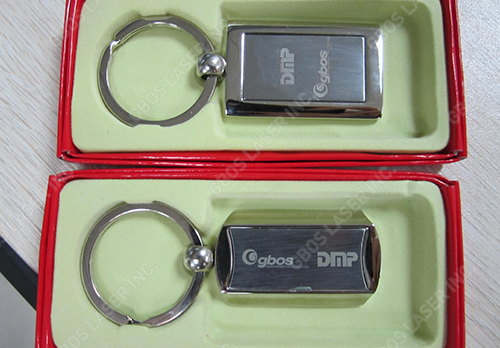
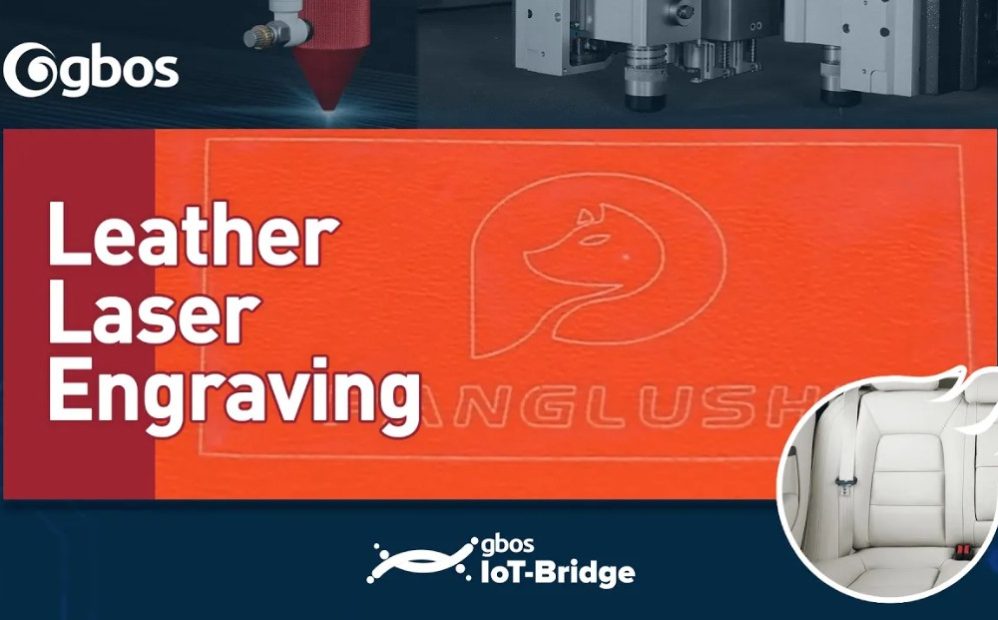
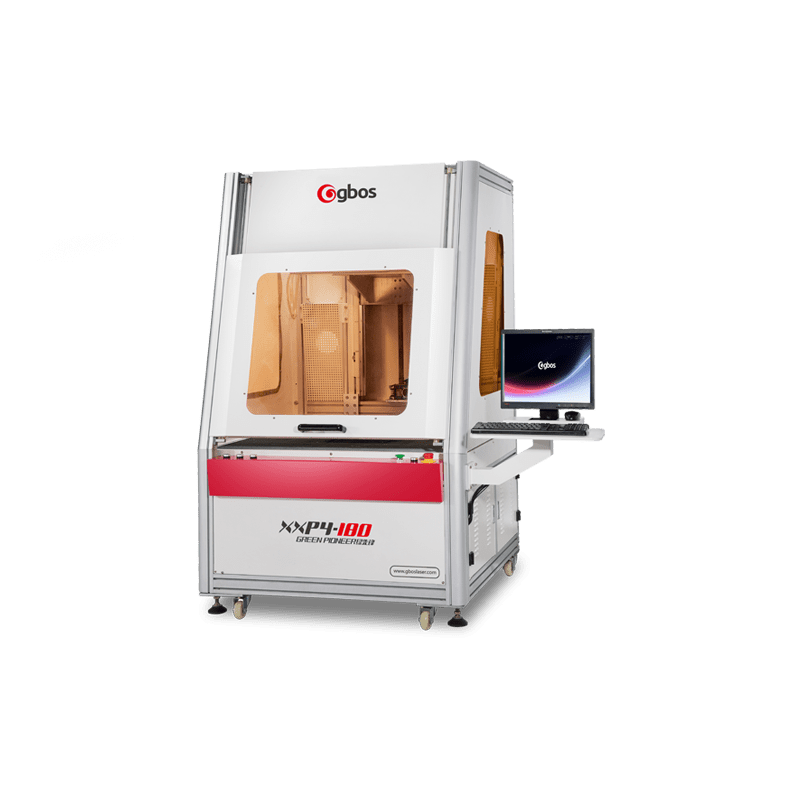
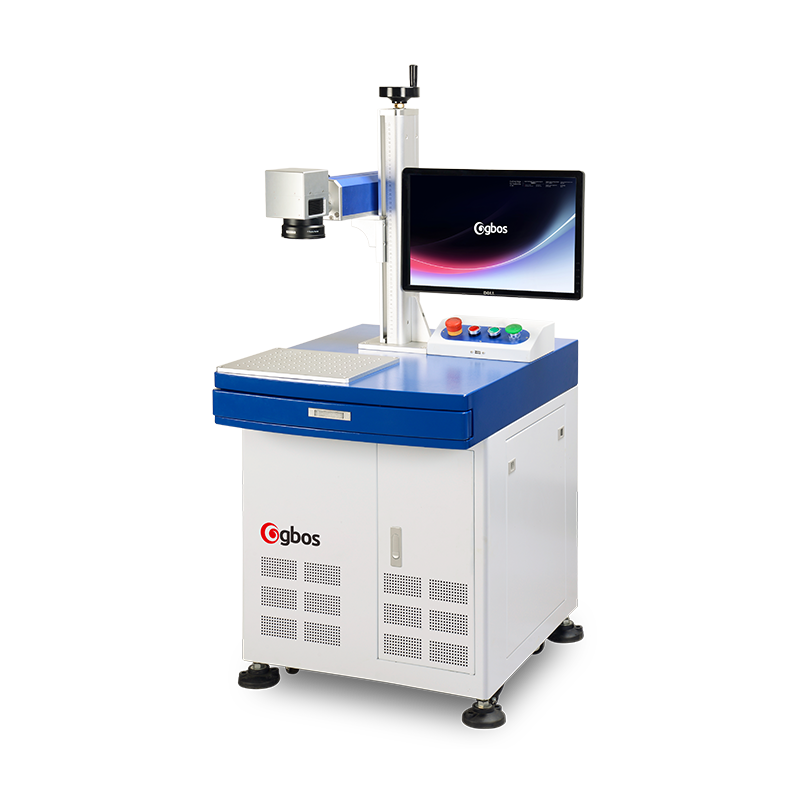
- Automotive Interior Laser Marking Solutions
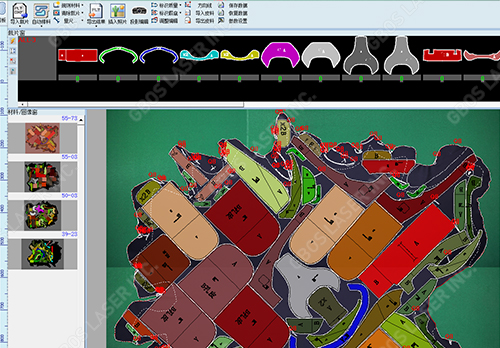
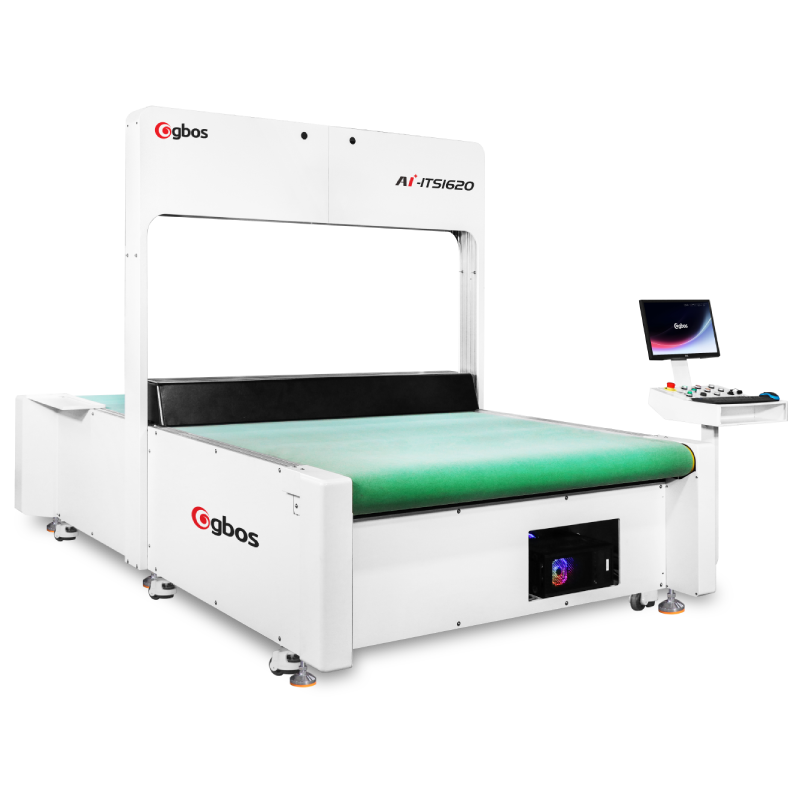
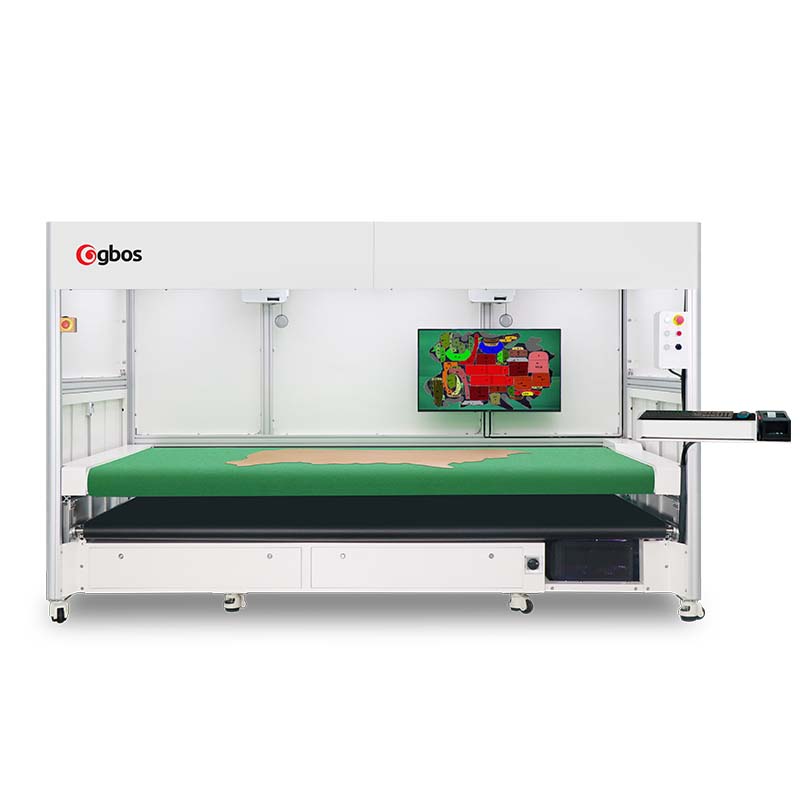
- Automotive Interior Leather Nesting System


-
Sep 14,2026
Specializing in 3D Curved Automotive Headliner Cutting: Solving Automakers’ Manufacturing ChallengesAs automotive interior design continues to evolve, dual-arc 3D curved surfaces have become a mainstream styling feature for headliners, typically combining suede-like soft upholstery with curved composite substrates. With rapid model iteration and increasing demand for customized orders, automakers require increasingly high levels of precision, acoustic transparency, and production efficiency for microphone hole cutting and irregular contour trimming on headliners. However, conventional universal processing equipment often lacks the adaptability required for these applications. Outdated processing methods make it difficult to meet the stringent requirements of 3D interior manufacturing, creating a critical bottleneck for quality improvement and productivity enhancement among many automotive interior suppliers. 1. Key Challenges in 3D Headliner Cutting The large 3D curvature and soft, multi-layer composite structure of automotive headliners present significant challenges for conventional cutting methods. Standard flat-bed cutting systems have clear limitations, as they cannot perform conformal cutting along complex curved surfaces. Traditional processing methods also rely heavily on dedicated tooling. High mold development costs and long lead times limit production flexibility, while even minor product changes or new-model launches may require new molds. In addition, repeated fixturing and repositioning can easily lead to misaligned microphone holes and dimensional deviations. These issues can affect headliner assembly...
-
May 20,2026
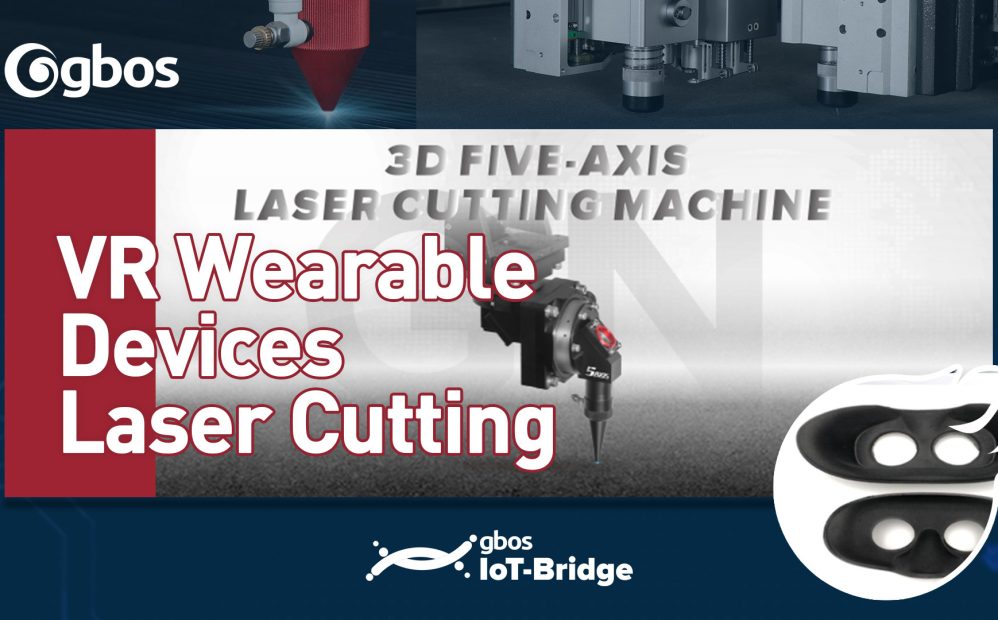
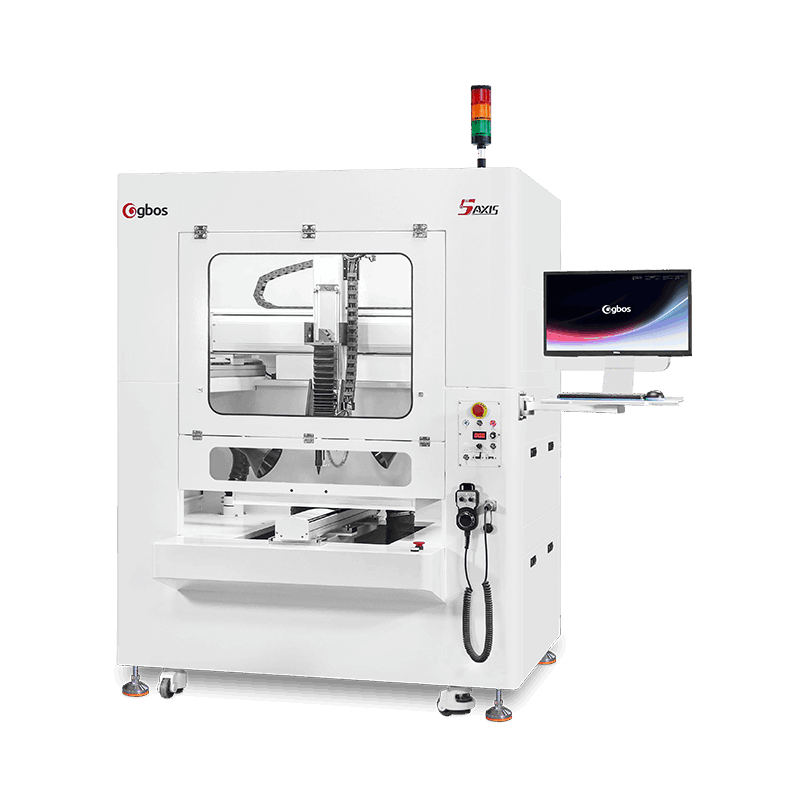
As intelligent manufacturing continues to evolve, common production challenges are becoming increasingly visible. Standardized equipment often lacks flexibility. Irregular or curved components are difficult to process. Production capacity struggles to keep pace with order growth. Conventional machines cannot meet specialized process requirements. When enterprises attempt to upgrade production lines, finding truly suitable equipment becomes a major obstacle—ultimately limiting improvements in both quality and efficiency. Against this backdrop, customized intelligent solutions are no longer optional—they are essential. 01 Precision-Driven Customization for Real Production Needs A leading automotive interior manufacturer, supplying headliner assemblies to major OEMs, faced a critical challenge: precision cutting of microphone apertures in automotive headliners. The application was technically demanding: ● Suede-like soft upholstery laminated to a double-arc curved composite substrate. ● Mold-free processing requirement. ● Micron-level accuracy. ● Zero positional deviation. ● Optimal acoustic transparency. ● High production throughput. Conventional equipment could not achieve conformal cutting across large curved surfaces. Traditional processing methods resulted in high costs and low yield rates. What the customer needed was not another generic cutter—but a fully integrated, purpose-built solution. After thoroughly evaluating on-site production conditions, part dimensions, and quality standards, GBOS developed the “GN3115 3D Five-Axis Laser Cutter”, a system specifically engineered...
-
Jan 17,2026
The true refinement of automotive interiors is often hidden in the details you don’t immediately see. From a single piece of plastic raw material to a contoured trim part that fits seamlessly into the cabin, the precision and efficiency of the cutting process directly define the upper limit of product quality—and ultimately shape a manufacturer’s core competitiveness. 01 The Dual Challenge of Cutting Complex Automotive Interior Components As you sit inside a vehicle and run your fingers along the smooth curves of the center console or the precisely cut openings on the door panels, you probably don’t stop to think about how these complex, contoured parts are produced with such consistency. For automotive component manufacturers, however, achieving this level of precision has long been a hidden pain point in production. Traditional stamping dies are bulky and costly to change over, making them ill-suited for customized or irregularly shaped interior parts. Manual trimming, on the other hand, relies heavily on operator experience, often resulting in inconsistent accuracy, excessive burrs, and additional finishing processes that consume time, labor, and may even compromise part precision. As a result, the machining of complex interior parts is often trapped in a dilemma between low efficiency...
-
Aug 01,2025
As the automotive industry experiences slower growth, cost reduction and efficiency improvement have become critical for suppliers to remain competitive. In this new normal, companies must restructure their strategies and operational models to overcome production challenges while seizing emerging opportunities. The acceleration of electrification and the upgrade of automotive interiors are driving a major industry transformation. Autonomous driving, new energy, and connected technologies are continuously reshaping the supply chain landscape. Leading companies are boosting factory efficiency through technological innovation—strategic upgrades of manufacturing bases are becoming essential to stay competitive in the digital era. Smart Nesting Unlocks New Levels of Leather Utilization In the fast-evolving automotive market, premium car seats start with precision leather cutting. Traditional manual nesting relies heavily on experience and often results in low material utilization. The GBOS ITS5-3012 Intelligent Leather Nesting System is transforming this process, bringing automation and efficiency to the forefront. Backed by GBOS’s deep expertise in automotive interior and exterior manufacturing, the Intelligent Leather Nesting System leverages years of algorithm optimization to deliver highly efficient nesting, significantly reducing leather waste compared to manual operations. Equipped with a 40MP industrial camera, it accurately captures leather contours and automatically stitches multiple images, enabling continuous multi-piece nesting....
-
Jun 20,2025
Amid the wave of consumption upgrading, leather has become a favorite in sectors such as automotive interiors and fashion accessories, thanks to its unique texture and durability. Booming Leather Applications and Evolving Market Needs In the automotive industry, premium leather seats and interior panels convey a strong sense of luxury and comfort. Meanwhile, in the bags and handbags market, leather products—with their wide variety of styles and personalized designs—cater to consumers’ growing pursuit of quality and fashion. Consumers are no longer satisfied with basic functionality; instead, they increasingly seek products with unique, customized designs. This shift is driving the leather industry to continuously explore the boundaries of innovation. Challenges and Dilemmas Facing Leather Manufacturers Behind the market opportunities, leather manufacturers face numerous challenges. On the supply side, high-quality leather resources are scarce and subject to significant price fluctuations, making cost control increasingly difficult. In terms of market competition, brands are engaged in intense rivalry, while consumers are placing higher demands on product quality, design, and brand identity. To stay competitive, companies must strike a balance between improving production efficiency, enhancing product quality, and building a strong brand image. Reforming and Reshaping the Leather Industry Landscape 1.Leather Cutting Solutions: Precision and...
-
Oct 23,2024
The development of China’s automotive industry has transformed from weak beginnings to remarkable prosperity, marking a significant historical chapter. As the market shifts from rapid expansion to stable competition, the automotive sector stands at a new historical juncture, facing fresh opportunities for globalization. This is not just a challenge but a golden period for Chinese automotive brands to showcase their strength on the global stage and strategize anew. 01 Innovative Manufacturing in Automotive Interiors: Key to Enhancing Market Competitiveness Among various manufacturing stages, the design and production of automotive interiors are crucial. They impact vehicle aesthetics, functionality, consumer experience, and market competitiveness. With increasing demands for intelligent, high-quality, and timely delivery from brands and manufacturers, interior manufacturers must adopt effective strategies, innovating and optimizing processes to meet these high standards. 02 Growth Strategies for Interior Manufacturers To maintain a competitive edge, interior manufacturers should implement strategies such as increasing R&D investment, promoting technological innovation, enhancing manufacturing processes, ensuring product quality and consistency, and utilizing advanced digital production management systems to improve decision-making and responsiveness to market changes. GBOS excels in implementing these strategies, offering one-stop smart cutting and innovative process solutions for automotive interiors. This includes: Leather Layout and Cutting...
-
Feb 08,2023
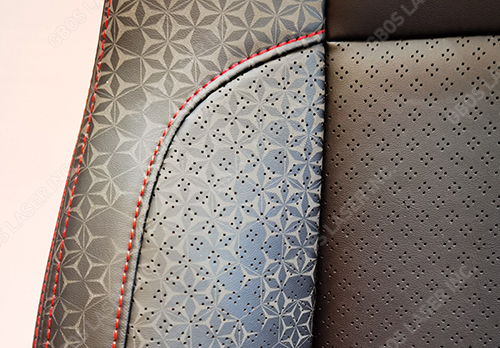
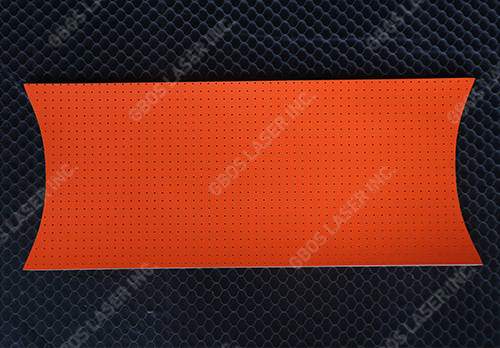
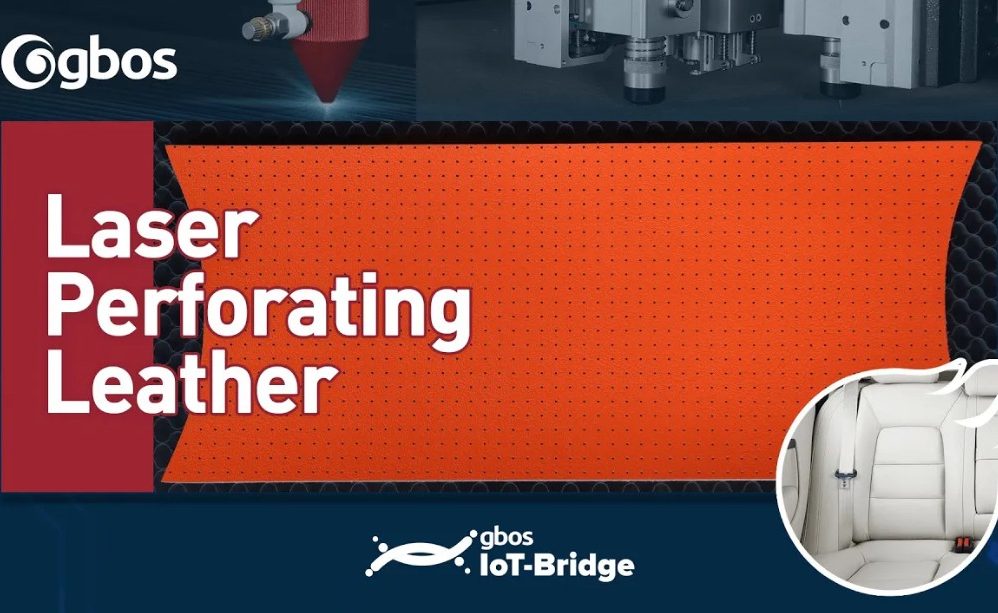
Comfortable, Luxurious Car Seats are the Preferred Choice. Consumers are no longer limited to the aesthetics of their cars, but are paying more and more attention to the aesthetics, comfort and personalisation of the interior when purchasing. As an important part of the car’s interior, consumers are particularly demanding about car seats. For example, some of the existing ventilated seats are not well ventilated due to irregular breathable holes, so car owners will choose a more breathable car seat to replace the original seat to maintain a comfortable and breathable feeling; or replace it with a set of tailor-made seats, which can not only enhance the car’s class, highlight the unique personality, but also add a sense of comfort. As a result, the comfort of car seats and innovative manufacturing processes have become a key concern for many manufacturers of automotive interiors. If punching is continuously performed with automated machines, when different hole diameters are required, customized punching needles need to be replaced and the process is unique and only applicable to the punching process. GBOS, as a service provider offering innovative process solution, has developed the XXP3-180 intelligent high-speed laser...







- GBOS Global Headquarters
-
Address: No. 1 Liansheng Road, Hongmei Town, Dongguan City, Guangdong Province. CN
Tel: +86 769 88990609
Fax: +86 769 88990677
Email: gbos@gboslaser.com
 Address: No. 1 Liansheng Road, Hongmei Town, Dongguan City, Guangdong Province. CN
  Tel: +86 769 88990609
  Fax: +86 769 88990677
  Email: