


The 15th National Games recently kicked off in the Guangdong–Hong Kong–Macao Greater Bay Area, captivating the entire nation. On the field, athletes sprinted with full force, their fiery determination lighting up the arenas like blazing torches—igniting the public’s enthusiasm for sports in an instant.

(Image Source: Shangguan News)
As the nationwide passion for fitness continues to rise, sportswear that blends comfort, functionality, and fashionable design has become an essential companion for people on their athletic journeys. Behind every high-quality garment lies a quiet yet essential force: high-precision visual recognition cutting technology, which ensures superior quality through consistent and accurate cutting.
01 Under the Craze: Craftsmanship Pursuit & Manufacturing Challenges in Sportswear
With the National Games driving public interest in health and fitness, consumers’ expectations for sportswear quality have been elevated.
For classic patterns—such as stripes, checks, and digital prints—precise pattern alignment has become one of the most important indicators of garment quality. The alignment of shoulder seams, the continuity of side patterns, and the consistency of neckline and cuff textures all contribute directly to the garment’s final appearance.
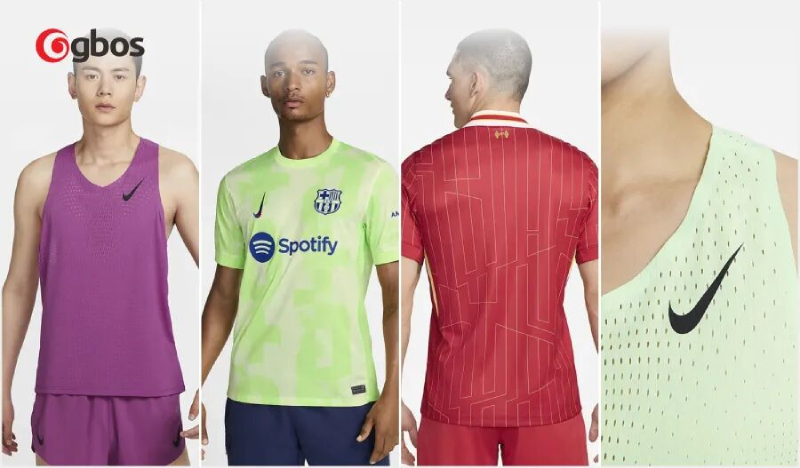
However, traditional cutting methods struggle to meet these exacting standards.
● Multi-layer stacked cutting often causes pattern displacement.
● Manual alignment is slow, labor-intensive, and prone to error.
● Large-scale production becomes difficult to manage with precision.
In addition, as sports scenarios diversify, demand has increased for irregular shapes, custom patterns, and specialized designs, making single-layer cutting more complex and more essential than ever. The industry urgently needs an efficient, accurate, and intelligent cutting solution.
02 Solving the Pain Points: The Winning Strategy for Single-Layer Precision Cutting
To address the core challenges in sportswear production, the VC9-1820SSCCD Multi-Functional Digital Knife Cutting System emerges as a game-changing solution.
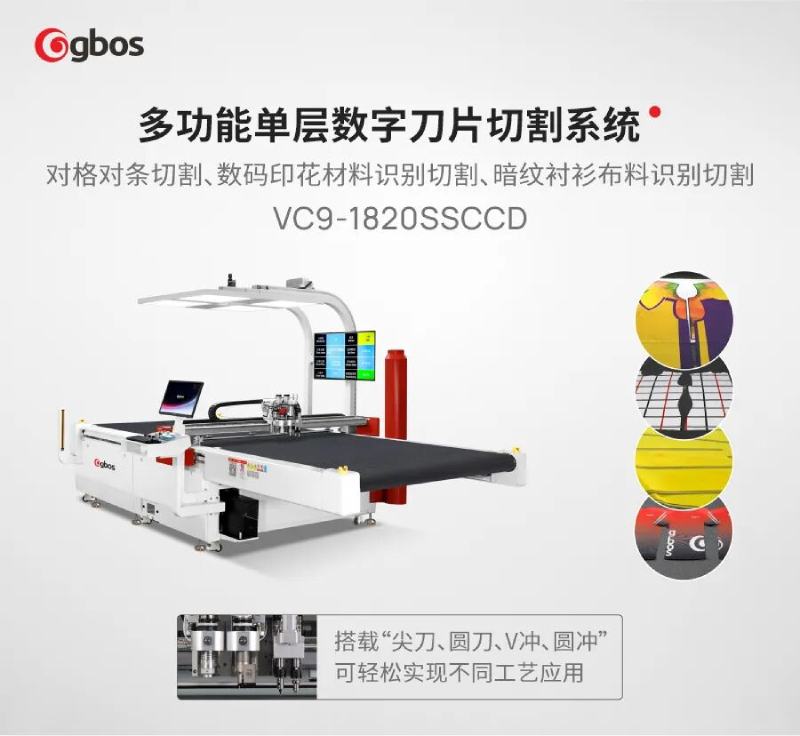
Powered by an advanced AI VisionScan system, it precisely recognizes fabric textures and printed patterns, guiding the cutting path with millimeter-level accuracy.
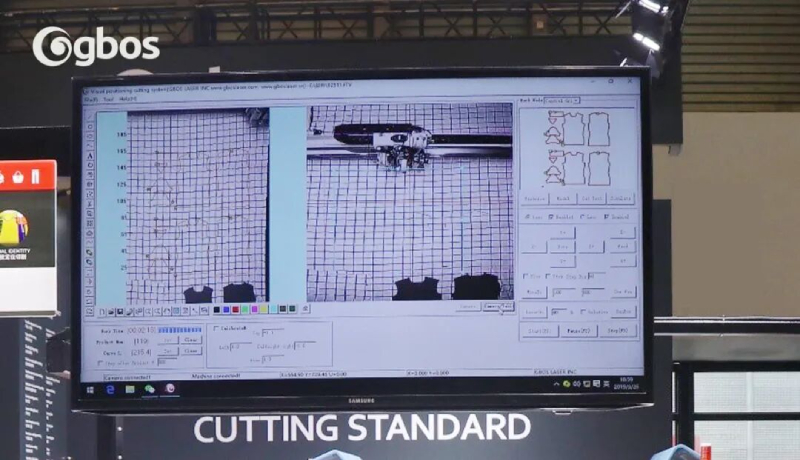
The system’s revolutionary single-layer cutting technology eliminates the pattern shifting caused by multi-layer stacks, ensuring every cut is clean, aligned, and consistent—perfectly meeting high-end pattern-matching requirements.
Outstanding Flexibility & Compatibility
The VC9-1820SSCCD easily adapts to diverse applications:
● Switches seamlessly between oscillating knife for high-efficiency cutting and round knife for delicate single-layer jobs.
● Supports optional tools including pen marking, O punch, and V punch to meet various production processes.
Whether producing mainstream sportswear in large volumes or limited-edition designer pieces, this system delivers both speed and precision—capturing market demand with confidence.
03 Empowering with Intelligence: Marching Into a New Era of Nationwide Fitness
With powerful technological capabilities, the VC9-1820SSCCD elevates sportswear quality from the inside out. Its precise cutting ensures garments are not only visually appealing but also comfortable and highly functional. For manufacturers, it solves long-standing production challenges; for consumers, it makes premium sportswear more accessible.
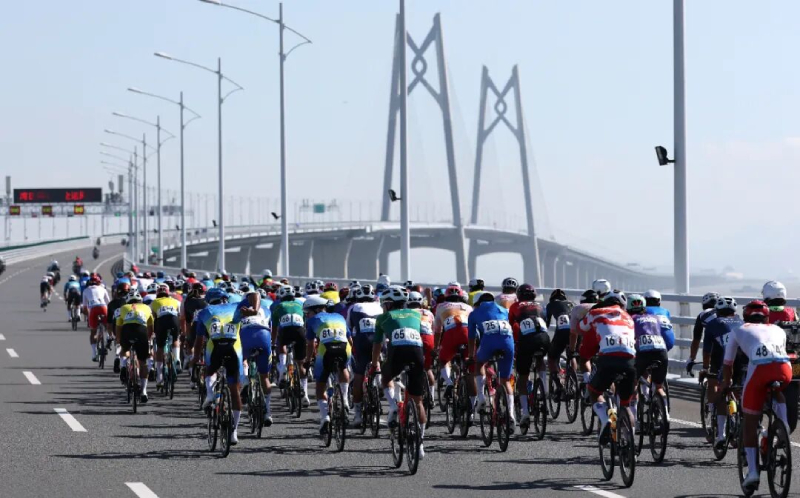
(Image Source: Shangguan News)
Sports represent not just competition—but a lifestyle. Craftsmanship represents not just production—but dedication to quality. Amid the nationwide sports boom sparked by the National Games, GBOS continues to drive the future of intelligent manufacturing through innovation, making sportswear a bridge between passion and action.
Looking ahead, as intelligent manufacturing technologies advance, more high-quality sportswear will integrate into everyday life—empowering everyone to move with confidence and vitality, embodying the spirit of “Passionate National Games, Dynamic Greater Bay Area.” Together, we move toward a future where nationwide fitness becomes a natural part of life.
 Address: No. 1 Liansheng Road, Hongmei Town, Dongguan City, Guangdong Province. CN
  Tel: +86 769 88990609
  Fax: +86 769 88990677
  Email: