

Explore Li-Ning’s Footwear Digital Cutting Center – GBOS Customers’ Case!

November 18, 2023
Return To List

Li-Ning, a trailblazer in China’s sports industry renowned for its professional and casual sports footwear and apparel, is taking a giant leap into the future of manufacturing with its “Digital Cutting Center for Footwear Industry.” This cutting-edge initiative is fueled by the adoption of Lean Intelligent Manufacturing 4.0 principles, with Li-Ning selecting GBOS as its strategic partner.


GBOS, a pioneer in intelligent cutting solutions, provides Li-Ning with a comprehensive one-stop solution, integrating over 20 intelligent machines to revolutionize the production process.


One of Li-Ning’s Footwear Digital Cutting Center(Die-less Cutting)


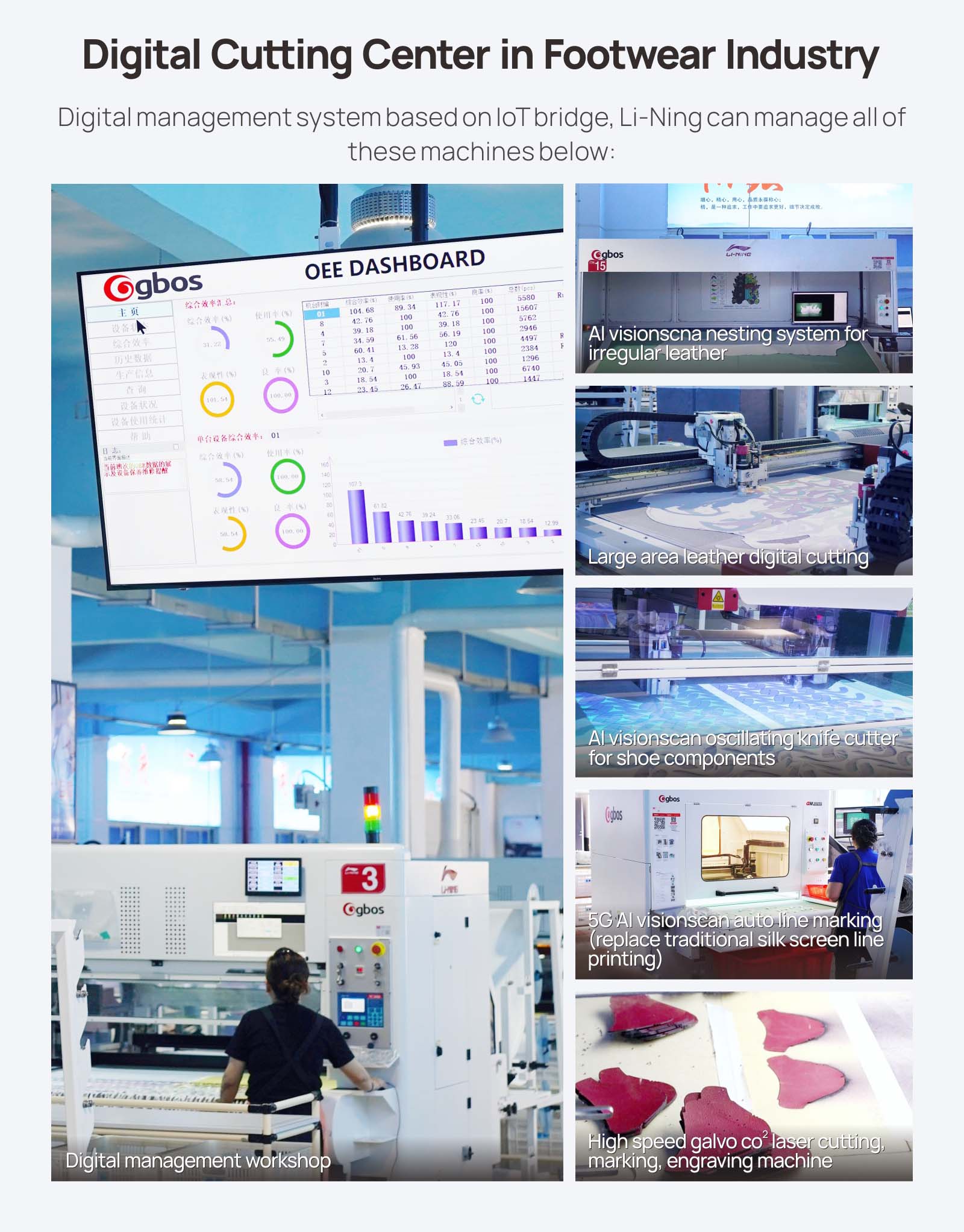
Li-Ning’s adoption of GBOS’s cutting-edge technology is characterized by the integration of an IoT-bridged digital management system. This system empowers Li-Ning to efficiently manage various cutting machines, including the AI VisionScan nesting system for irregular leather, digital cutting of large leather areas, Al VisionScan oscillating knife cutting machine for shoe components, 5G Al VisionScan automatic line marking, and high-speed galvanometer CO2 laser cutting, laser marking and engraving machine. The digital management workshop, featuring IoT bridge and OEE Dashboard, ensures seamless connectivity and real-time monitoring of the entire production process. 


Achieving Unprecedented Output


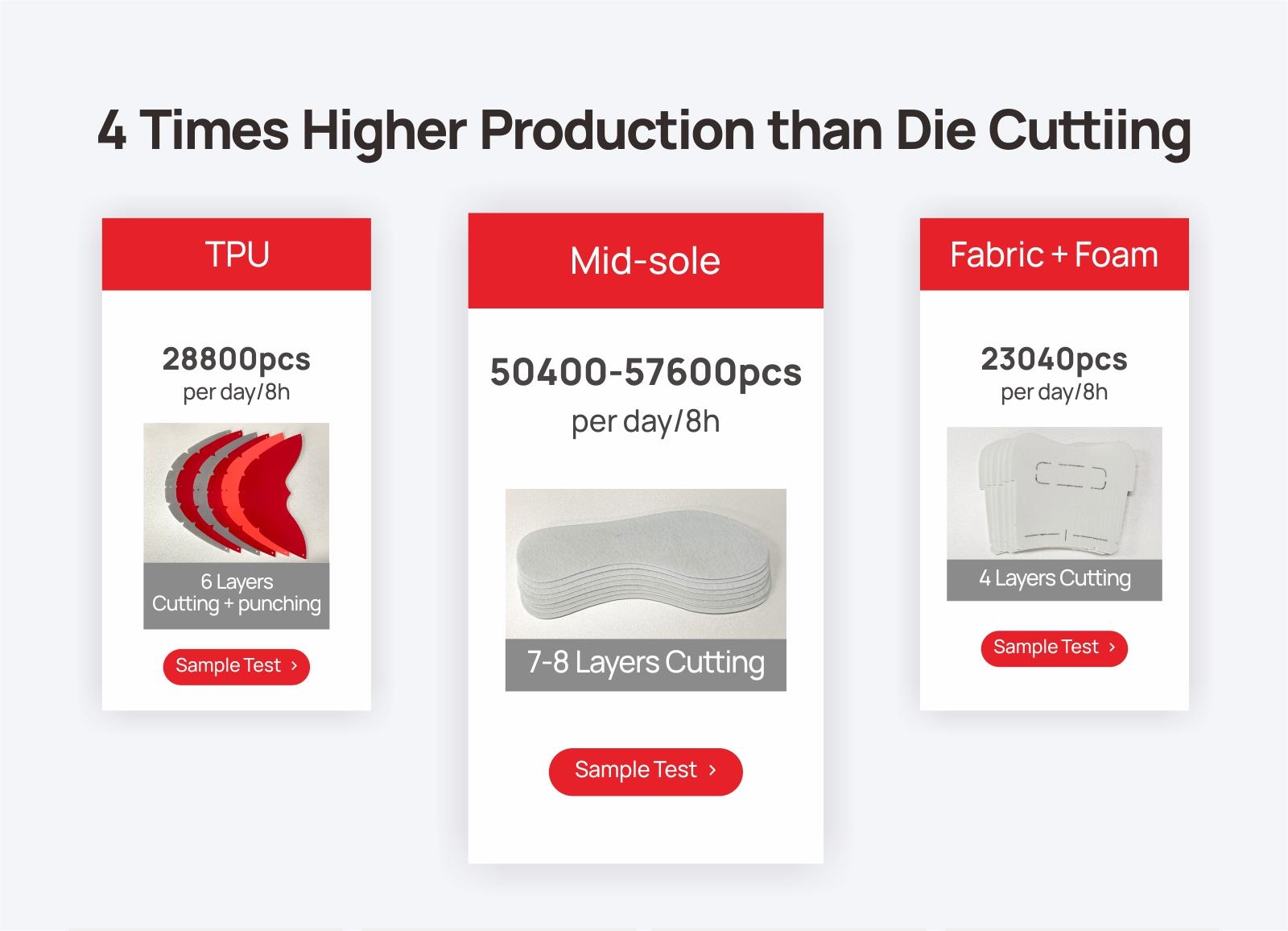
One of the standout advantages of Li-Ning’s Digital Cutting Center is its remarkable efficiency. The utilization of intelligent cutting technologies enables Li-Ning to achieve a staggering 4 times higher output compared to traditional die-cutting methods. The production rates for various materials are impressive


Versatility Across Materials


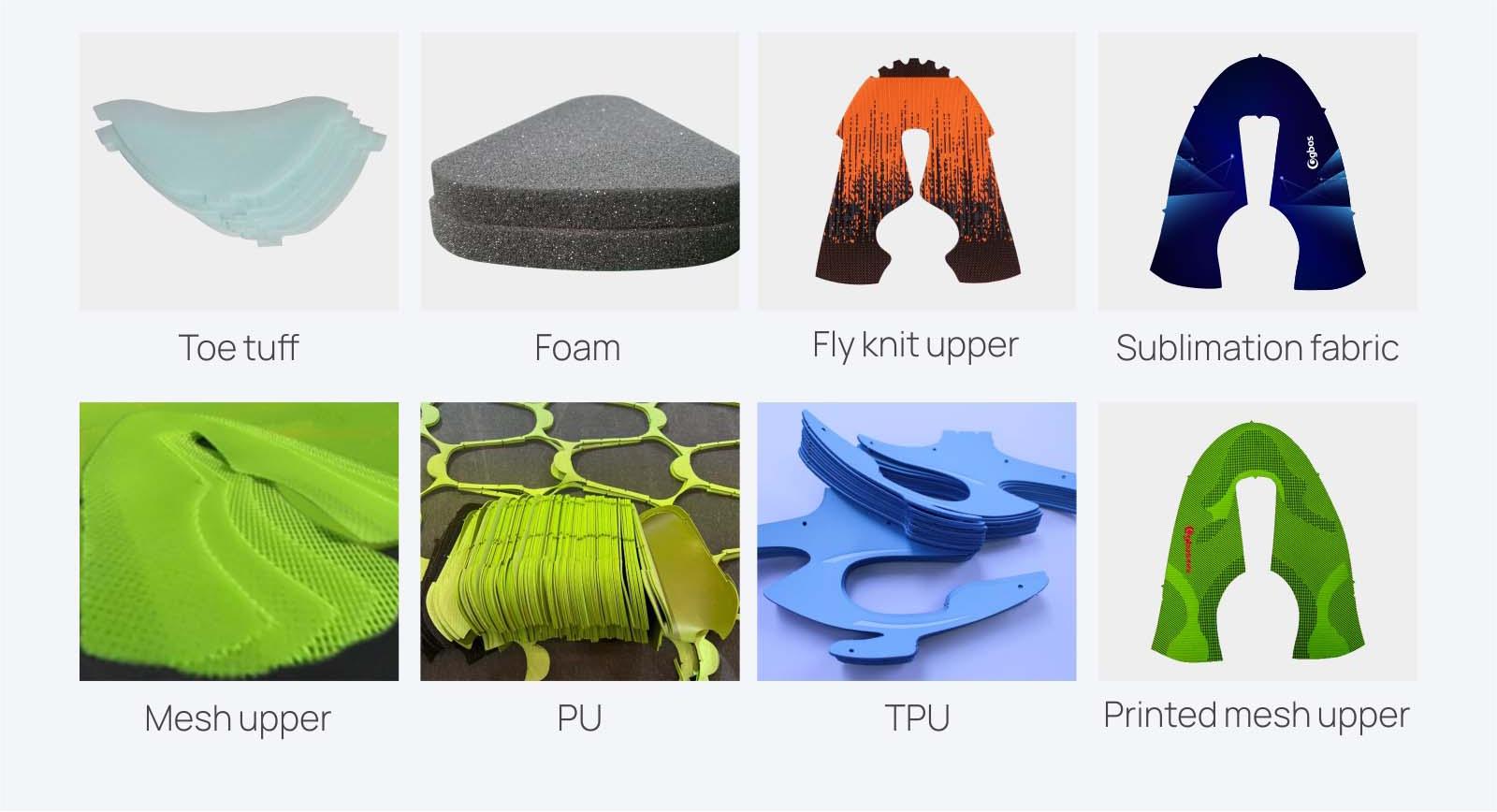
GBOS Digital Cutting Center is designed to cater to a diverse range of materials essential in footwear manufacturing. Whether it’s toes, mesh upper, foam, polyurethane, Fly knit uppers, thermoplastic polyurethane, sublimation fabric, or printed mesh upper, the cutting center ensures precision and efficiency in handling them all.
 

Embracing the Digital Future of Shoemaking


By leveraging cutting-edge technology, Li-Ning’s Digital Cutting Center marks a significant stride towards a more sustainable, efficient, and futuristic approach to footwear manufacturing.

Recommended news
  • As automotive interior design continues to evolve, dual-arc 3D curved surfaces have become a mainstream styling feature for headliners, typically combining suede-like soft upholstery with curved composite substrates. With rapid model iteration and increasing demand for customized orders, automakers require increasingly high levels of precision, acoustic transparency, and production efficiency for microphone hole cutting and irregular contour trimming on headliners. However, conventional universal processing equipment often lacks the adaptability required for these applications. Outdated processing methods make it difficult to meet the stringent requirements of 3D interior manufacturing, creating a critical bottleneck for quality improvement and productivity enhancement among many automotive interior suppliers. 1. Key Challenges in 3D Headliner Cutting The large 3D curvature and soft, multi-layer composite structure of automotive headliners present significant challenges for conventional cutting methods. Standard flat-bed cutting systems have clear limitations, as they cannot perform conformal cutting along complex curved surfaces. Traditional processing methods also rely heavily on dedicated tooling. High mold development costs and long lead times limit production flexibility, while even minor product changes or new-model launches may require new molds. In addition, repeated fixturing and repositioning can easily lead to misaligned microphone holes and dimensional deviations. These issues can affect headliner assembly...
    Pub Date: Sep 14, 2026
  • The lingerie industry is undergoing a major transformation. The market for sports bras and seamless bras continues to grow, while orders are becoming more fragmented and delivery cycles are getting shorter. Small-batch, multi-style production is gradually becoming the norm. At the same time, consumers are demanding greater comfort, better shaping performance, and more functional designs. This is pushing manufacturers to work with increasingly diverse and complex fabric combinations. For lingerie factories, production therefore needs to become more flexible than ever—while cost control, cutting accuracy, and quality consistency must remain stable. 01 Two Common Fabrics, One Critical Cutting Challenge Lycra® and cotton are among the most widely used materials in lingerie manufacturing, but both can present significant challenges during cutting. Lycra® is highly elastic. When multiple layers are stacked, the fabric can stretch and shift between layers. Even small dimensional deviations in the cut pieces can affect subsequent sewing and, in severe cases, result in an entire batch being rejected. Cotton presents a different challenge. Its soft texture can make cutting more difficult when the blade is not sharp or stable enough. Frayed edges, material adhesion, and inconsistent cutting results may then lead to additional manual rework. These challenges become even...
    Pub Date: Sep 10, 2026
Book a virtual demo to explore our digital cutting and process solutions.
Request an Online or On-Site Demo
Get Your Manufacturing & Process Solution
Contact Now
Customization
Customized products
Find the machine that suits you best
Select from the options below to find what you need faster.
Choose your application(s) from the list.
NEXT STEP
Do you process roll or sheet materials?
PRE STEP
NEXT STEP
What is the max length and width of your material?
Length
Width
PRE STEP
NEXT STEP
Here are the standard models for you:
PRE STEP