


In the ever-evolving world of fashion, classic logo bags continue to transcend time with their enduring allure. Iconic patterns such as Louis Vuitton’s Monogram are more than just decorative elements—they tell the story of a brand. These designs reflect a brand’s history and heritage, embodying its core values and cultural depth, which in turn elevates the brand’s perceived value.

For brands, logo bags play a crucial role in shaping brand image. They not only reinforce a brand’s position in the market but also open doors to new market opportunities.
From a manufacturer’s perspective, crafting these logo bags is a rigorous test of craftsmanship and technical skill. Ensuring pattern consistency and precision is a major challenge, testing not only the accuracy of cuts but also the strict quality control throughout production. Even the smallest deviation can affect the final product’s quality and the consumer’s brand experience.
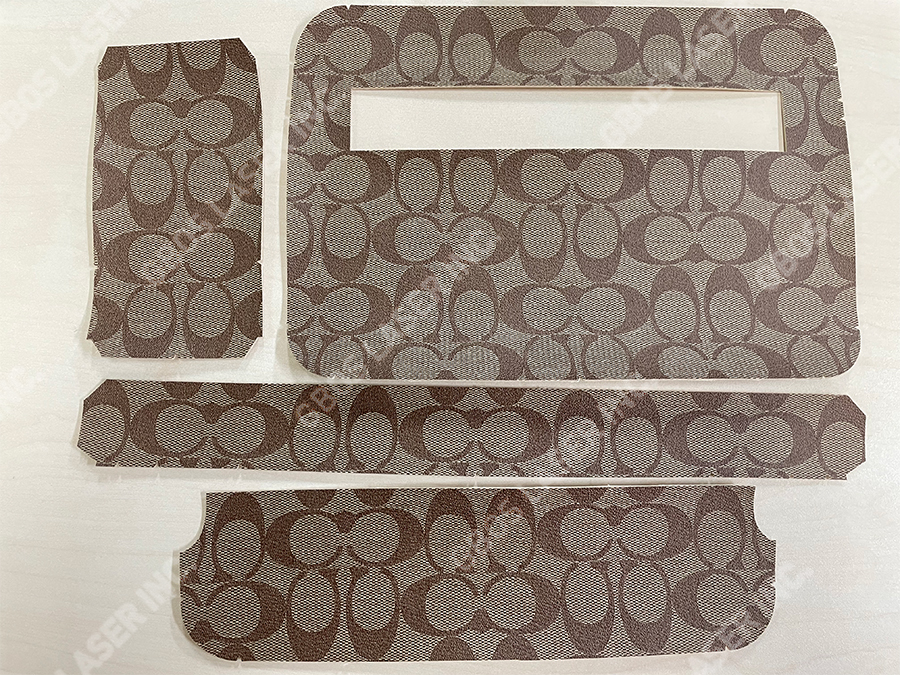
Moreover, in the rapidly changing world of fashion, brands continually innovate their iconic logo patterns—introducing new color schemes, materials, combining them with modern design elements, and even collaborating with other brands. These diverse approaches breathe new life into classic designs, keeping them relevant and appealing, particularly to younger consumers. This constant evolution ensures that logo bags remain at the forefront of fashion. For manufacturers, this poses a challenge—they must innovate in design while continually refining production techniques and exploring new materials to meet brands’ demands for customization and personalization.

In this context, the use of advanced production technologies and equipment, such as the VC9-1670T/N-2SCCD vibrating knife cutting machine with AI vision recognition, becomes particularly important. These technologies not only enhance production efficiency but also ensure precision in every cut, thanks to AI vision recognition. This improves the overall product quality, helping brands maintain their competitive edge in an increasingly crowded market.
Key advantages include:
-
Equipped with an AI vision recognition system that reduces reliance on manual expertise, ensuring precision in cutting logo materials. Even complex seams maintain consistency and a high-end finish, enhancing the aesthetic appeal of the final product.
-
Durable, high-quality blades and precise control systems ensure smooth, burr-free edges when cutting tougher materials like coated canvas or PVC.
-
The integrated digital layout system automatically calculates the most efficient cutting patterns based on the design and shape of the logo materials, optimizing material usage—even when alignment of patterns is required.
-
Automated cutting processes minimize human error, further reducing material waste and helping manufacturers save costs while boosting production efficiency.
In conclusion, the iconic logo bag holds an irreplaceable place in the fashion world. From brand heritage to meticulous craftsmanship, and the support of cutting-edge technology, every aspect works together to propel these bags forward, continuously weaving a narrative where fashion and classic style intersect. We believe that in the future, logo bags will appear in even more diverse forms, continuing their timeless legacy.
Note: Some images are sourced from the internet. If there is any infringement, please contact us for removal. We respect intellectual property rights.
 Address: No. 1 Liansheng Road, Hongmei Town, Dongguan City, Guangdong Province. CN
  Tel: +86 769 88990609
  Fax: +86 769 88990677
  Email: