


Under the wave of technological advancements, the release of the Apple Vision Pro has struck like a bombshell, not only redefining the boundaries of “spatial computing” but also heralding a new chapter in the integration of the digital and physical worlds.
Although Vision Pro has captivated global attention with its unprecedented immersive experience and innovative design, on a deeper level, it has sparked endless imaginations about the manufacturing process innovations for VR smart wearable devices.

From Concept to Reality: Technological Innovation Leading Industry Leap
The advent of Vision Pro is not just a bold attempt by Apple to explore the metaverse but also a profound revelation to the entire VR/AR industry—how to seamlessly integrate the infinite imagination of the digital world into real life through technological innovation. Under this trend, VR smart wearable devices, as a bridge connecting the two worlds, face increasing complexity and challenges in their manufacturing processes.

Five-Axis Laser Cutting Machine: Unlocking a New Chapter in Curved Surface Cutting
Facing the increasingly complex shape designs of VR wearable devices, traditional processing methods can no longer meet the high-precision and high-efficiency production demands. At this critical moment, Guangboshi, with a forward-looking perspective, has launched the GN602-3D-EP three-dimensional five-axis intelligent rotary laser cutting machine, specifically designed to solve the cutting difficulties of curved surfaces in VR wearable devices.
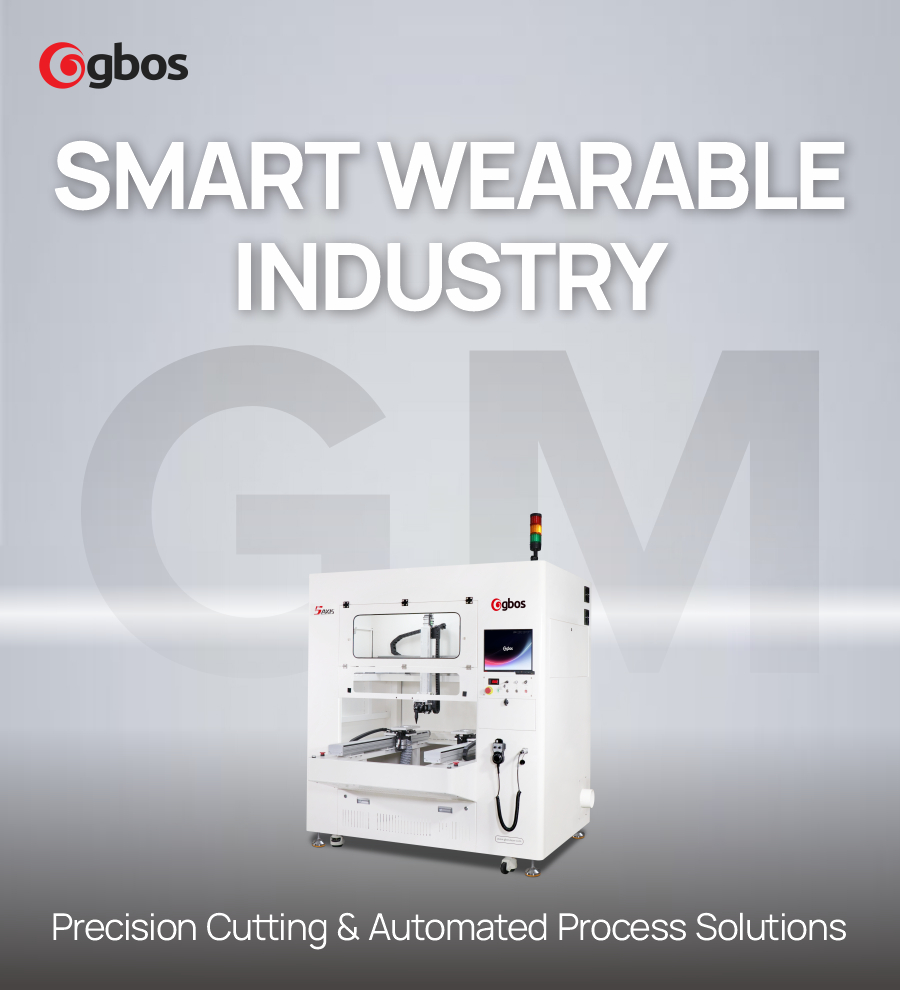
Crafting Refined Products with Attention to Detail
This device, with its flexible design of U-axis 360° infinite rotation and W-axis ±180° swing, combined with an enclosed dual-module guide rail and screw drive system, achieves a dual leap in cutting speed and precision. The intelligent cutting scheme, which requires no molds, not only significantly reduces production costs and cycles but also promotes the personalization and diversification of product designs, paving the way for the mass production of VR wearable devices.
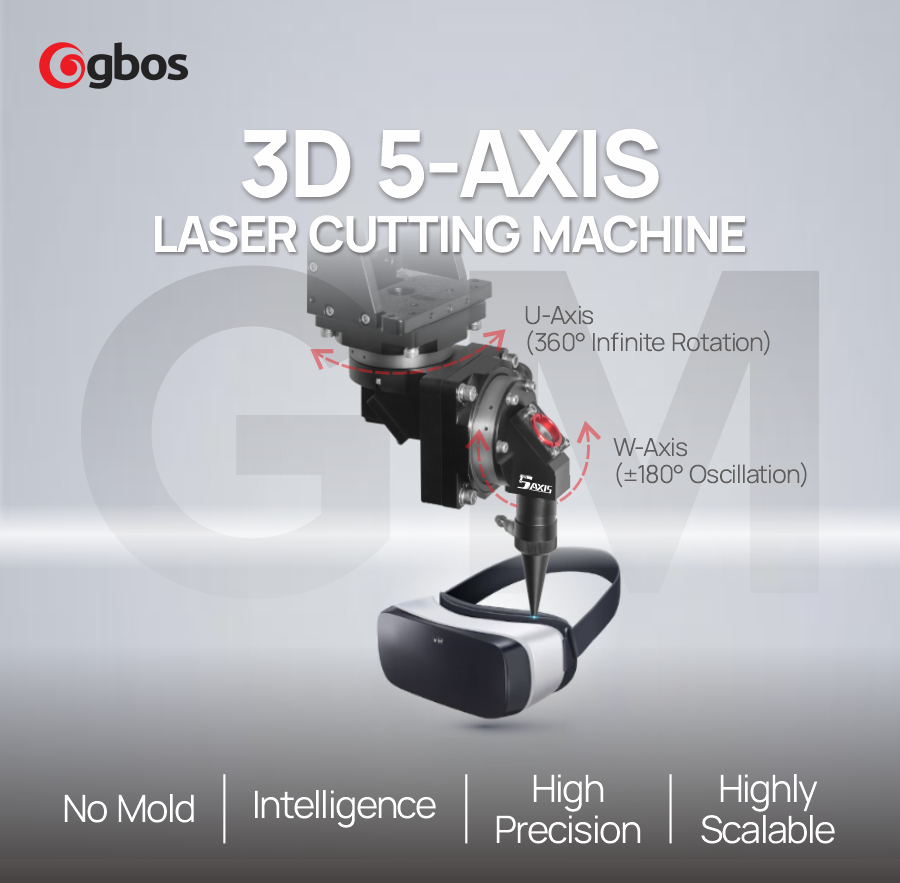
Furthermore, according to different production capacity needs, various work modes are available, including dual worktables, single worktables, and interactive worktables, saving labor costs and assembly time while reducing production costs. The device also boasts the following advantages:
- Efficiency: Approximately 10 seconds per part (data for reference only, cutting time depends on the size of the irregular product).
- Mold-free and Intelligent: Mold-free cutting solves the problems of numerous molds and high costs in traditional stamping methods, promoting the intelligent development of enterprises.
- High Precision: Enclosed dual-module guide rail and screw drive ensure faster cutting speed and higher precision, meeting the increasing product quality demands.
- Safety: Contact-free enclosed design, safety light grid protection, and off-line operation design comply with international CE safety standards.
- Eco-friendly and Energy-saving: No need for mold making reduces material consumption and environmental pollution, empowering green manufacturing.
Intelligent Manufacturing Empowering the Future
The launch of the GN602-3D-EP not only demonstrates Guangboshi’s commitment to technological innovation but also responds positively to the intelligent manufacturing trend in the VR smart wearable device industry. From enhancing production efficiency to optimizing product precision, from reducing energy consumption to minimizing environmental pollution, each technological upgrade contributes to the sustainable development of the VR industry.
Looking to the future, as the market for VR smart wearable devices continues to expand, five-axis laser cutting technology will undoubtedly play an increasingly important role in this field. Guangboshi will continue to delve deeper, promoting the wide application of 3D five-axis cutting technology, providing strong technical support and solutions for more industries’ intelligent and mass production, ushering in a more brilliant new era.
 Address: No. 1 Liansheng Road, Hongmei Town, Dongguan City, Guangdong Province. CN
  Tel: +86 769 88990609
  Fax: +86 769 88990677
  Email: