


How far from manufacturing to “intelligent” manufacturing (above)

February 08, 2023
Return To List

LongYun Group, the largest sports shoes manufacturer in east Sichuan province ,China, is a company that cooperates with famous brands such as Li Ning, Belle and Daphne, etc. In 2020, LongYun Group started the process of intelligence and digitalization comprehensively. IoT Bridge is introduced as the digital management support of intelligent manufacturing.
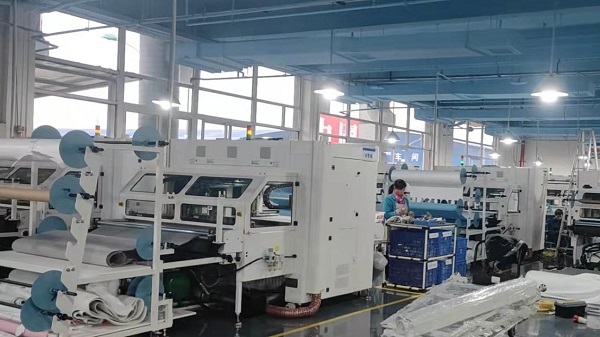
digital cutting

IoT Bridge explores and solves the problem of how to use existing resources efficiently and how to advance production with intelligence.

“When we talk to many entrepreneurs about IoT Bridge, they are confused: how does IoT Bridge apply to machines and how can it be grafted to their company?”
“Why do we need IoT Bridge when ordinary automated machines can also drive production?”

In fact, when introducing IoT Bridge, Longyun Group also started from business aspect and issues of transformation and upgrading, and after continuous adaptation and mapping, integration and adjustment, we found out a one-stop intelligent tailoring solution that is most suitable for our company.
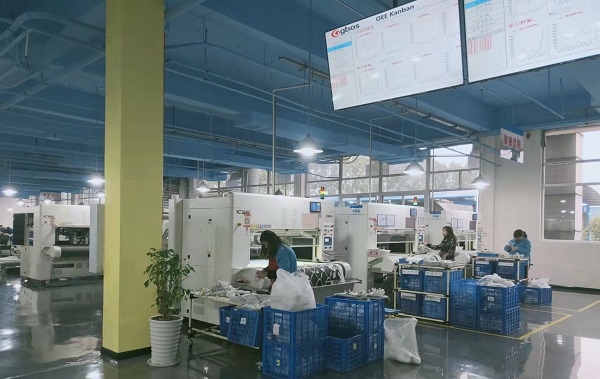
OEE

Why Introduce IOT Bridge

In the early stage of development of the footwear industry, enterprises did not lack market and only needed to consider production issues. However, with the change of the intrinsic trend of the industry ecology, and face huge business problems:
First, the gross profit margin declined; second, they could not quickly respond to the change of the consumer market.

With the advancement of industrialization, China’s footwear industry is gradually moving from simple OEM processing to the industry chain link and operation mode of its own R&D and design, and the trend of industrial upgrading is obvious. Although enterprises are promoting production automation, the overall operational efficiency has not been greatly improved. Problems of raw material inventory and the low production efficiency of manufacturing workshop . 

And so on a series of problems, how to solve from the root?

GBOS has dedicated to promoting the development of the industry for many years, developing IoT Bridge for digital transformation exploration and practice, giving solutions for enterprises to improve intelligent scheduling capabilities, achieve intelligent manufacturing on production floors and improve overall operational efficiency.
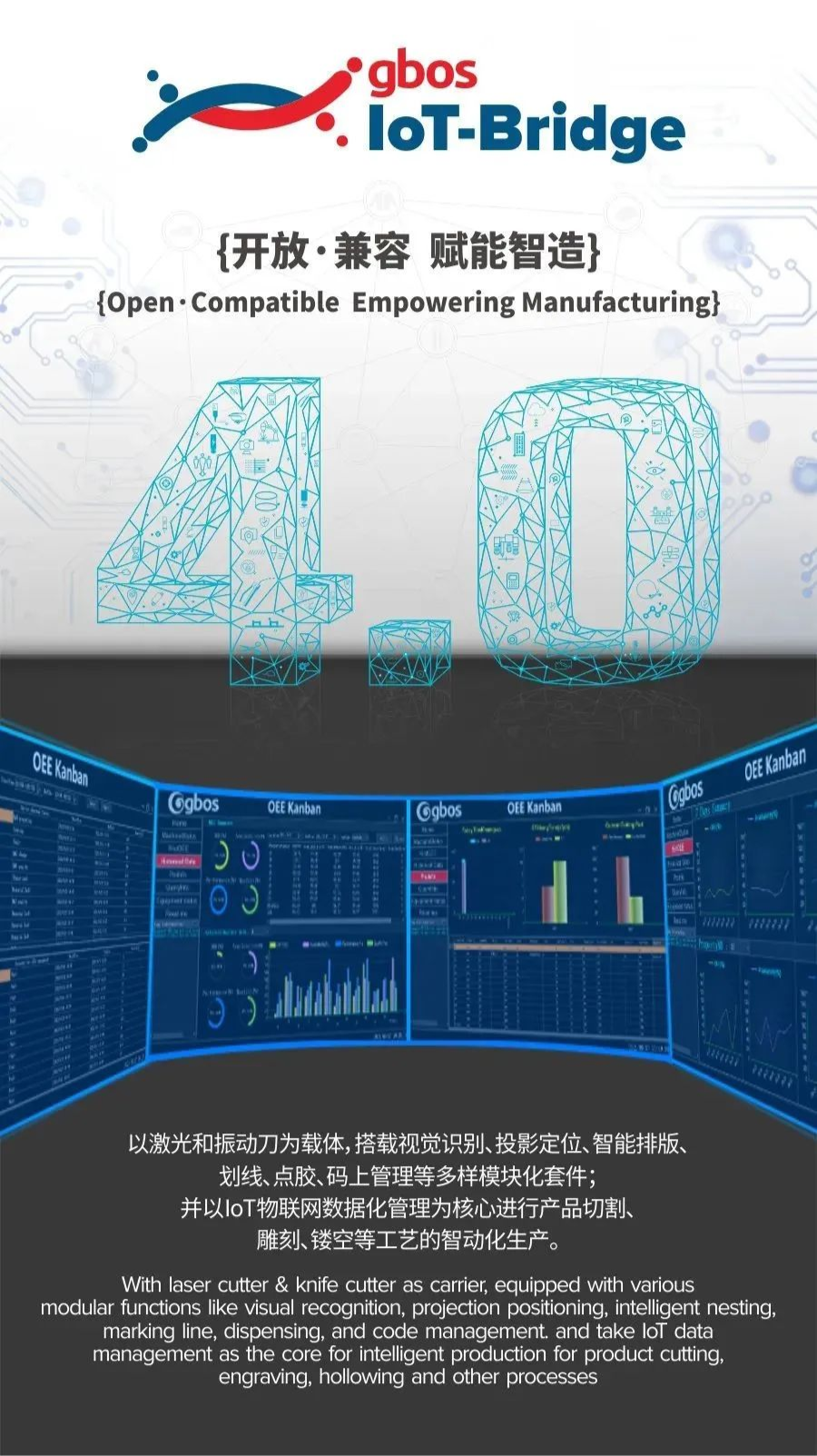
Gbos iot

The innovative reform concept of Long Win Group echoes the IoT Bridge. A spark thus emerged between the two.

How did Longyun Group achieve intelligence to drive production through IoT Bridge? And how did it help it consolidate its market development? The next article will continue to tell you the intelligent and digital opening process of LongYun Group.

Recommended news
  • White and light-colored apparel remains a timeless choice in the fashion industry, valued for its clean look and versatility across work and casual settings, reflecting today’s preference for simple, quality living. Behind this “pure aesthetic,” however, lies a long-standing cutting challenge for manufacturers: preserving the fabric’s original beauty while ensuring production efficiency and precision. 01 White Fabric Cutting: A Seemingly Simple but Highly Demanding Challenge In the business world, real pain points are often hidden within needs that appear simple at first glance. Consumers expect white apparel to be clean and flawless, breathable and comfortable, and durable down to the finest details—but meeting all three expectations at once is a real challenge for manufacturers. Natural cotton, linen, and eco-friendly specialty fabrics offer excellent breathability and comfort, yet they are extremely difficult to cut. Traditional laser cutting generates high heat that can cause yellowing, darkening, or scorching along the edges—an almost “fatal flaw” for white fabrics. The result is either scrapped material or compromised brand reputation, driving up waste and production costs. At the same time, modern garment features such as seamless pockets and waterproof bonding tapes require highly precise cutting to ensure quality. Inaccurate cuts from traditional methods often lead...
    Pub Date: Jan 28, 2026
  • The true refinement of automotive interiors is often hidden in the details you don’t immediately see. From a single piece of plastic raw material to a contoured trim part that fits seamlessly into the cabin, the precision and efficiency of the cutting process directly define the upper limit of product quality—and ultimately shape a manufacturer’s core competitiveness. 01 The Dual Challenge of Cutting Complex Automotive Interior Components As you sit inside a vehicle and run your fingers along the smooth curves of the center console or the precisely cut openings on the door panels, you probably don’t stop to think about how these complex, contoured parts are produced with such consistency. For automotive component manufacturers, however, achieving this level of precision has long been a hidden pain point in production. Traditional stamping dies are bulky and costly to change over, making them ill-suited for customized or irregularly shaped interior parts. Manual trimming, on the other hand, relies heavily on operator experience, often resulting in inconsistent accuracy, excessive burrs, and additional finishing processes that consume time, labor, and may even compromise part precision. As a result, the machining of complex interior parts is often trapped in a dilemma between low efficiency...
    Pub Date: Jan 17, 2026
Book an virtual demonstration with us to learn more about digital cutting and process solutions.
Request A Web/On Site Demo
Get Manufacturing and Process Solutions
Conatct now
Customization
Customized products
Find which machiney suits you best
Please select below options, it will help you find what you are looking for more quickly.
Choose your application(s) from the list.
NEXT STEP
Applied in roll or sheet materials?
PRE STEP
NEXT STEP
What is the max length and width of your material?
Length
Width
PRE STEP
NEXT STEP
Here are standard models for you:
PRE STEP