


In the steady development process of GBOS, the collision of ideas and the exchange of experience has always been a strong driving force for our continuous progress. September 10,2024. the morning sun gently embraced the earth, guests from all over the world stepped into GBOS Dongguan headquarters operations center venue with a brisk pace. Under the enthusiastic and professional guidance of the staff, the guests moved from the sign-in wall to the main venue in an orderly manner, and a seminar on [Smart Renewal of Classics – Creating Changes for the Future], the 2024 GBOS Seminar on Innovative Processes in Garment Accessories Industry and Technical Exchange Meeting, was formally kicked off!
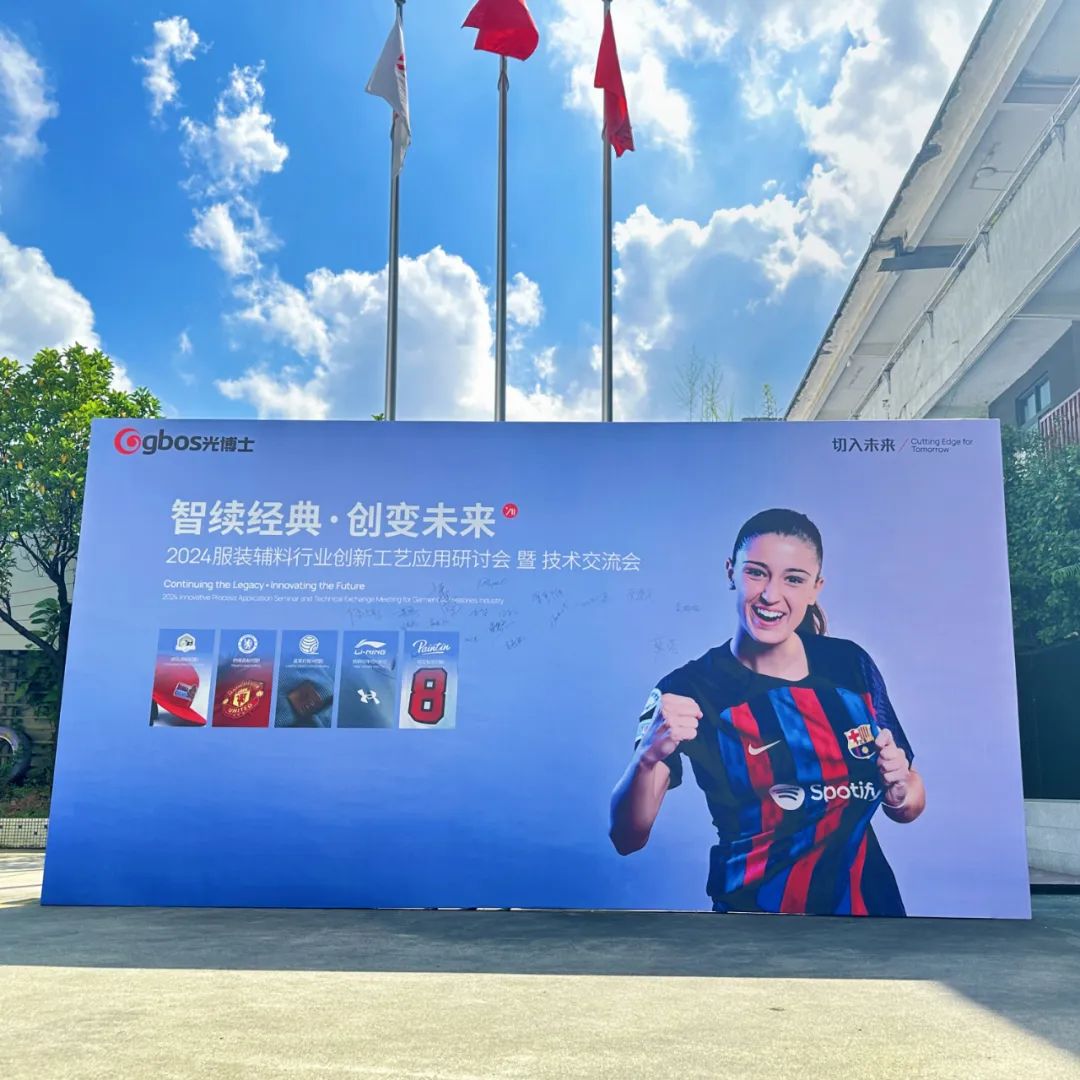
Continuing the Classic – Creating the Future
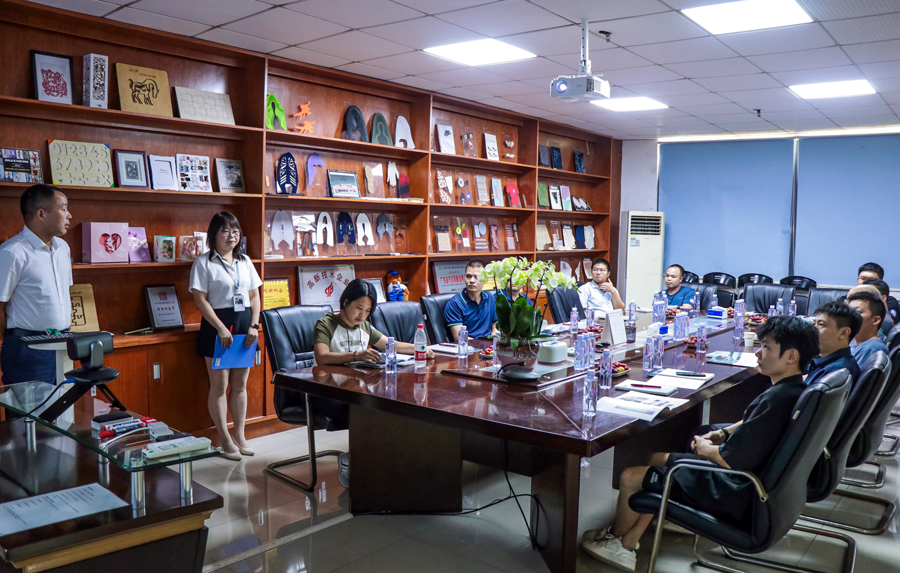
This exchange meeting is divided into the morning session and afternoon session, chaired by the clothing accessories industry manager Jiang manager, chairman of the board of directors Mr. Liu Wu new product release. First of all, Mr. Liu Wu sent a warm welcome and sincere thanks to all the elites in the garment accessories industry who attended the exchange meeting! And introduced the significance of this exchange meeting to all the industry elites in detail. Mr. Liu said, in the process of market iterative development, new technology is essential to meet the diversified practical applications and brand development needs of users. Therefore, this meeting not only showed the industry elites the upgrade highlights of the “classic models”, but also presented the latest AI recognition technology and cutting-edge new products.
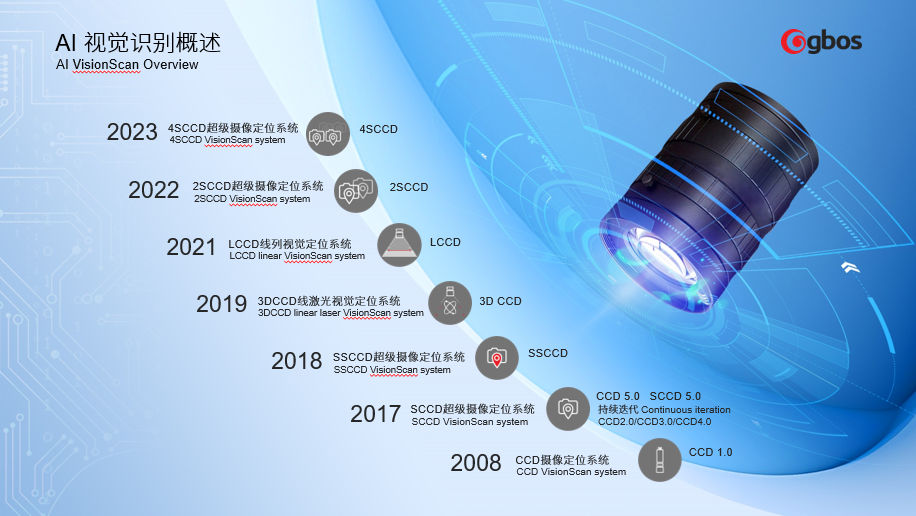
AI Visionscan – Classic Newborn
Mr. Liu introduced: GBOS AI visionscan recognition technology has gone through iterations and has progressed from 1.0 era to 5.0 era; the camera of the classic GM1801SCCD same color embroidery label cutter has been upgraded to 20 megapixels, which brings higher recognition accuracy and better cutting effect; the AI visionscan recognition range of the other classic model, the GN1080CCD, has been significantly expanded compared with the previous one, which is able to strongly support larger area sheet label recognition + cutting; at the same time, Mr. Liu announced the new products related to the apparel accessories industry. Another classic model GN1080CCD has a significantly wider AI visionscan recognition range than before, which is able to strongly support the recognition and cutting of larger area piece trademarks; at the same time, Mr. Liu released the new products related to the garment sccessories industry.
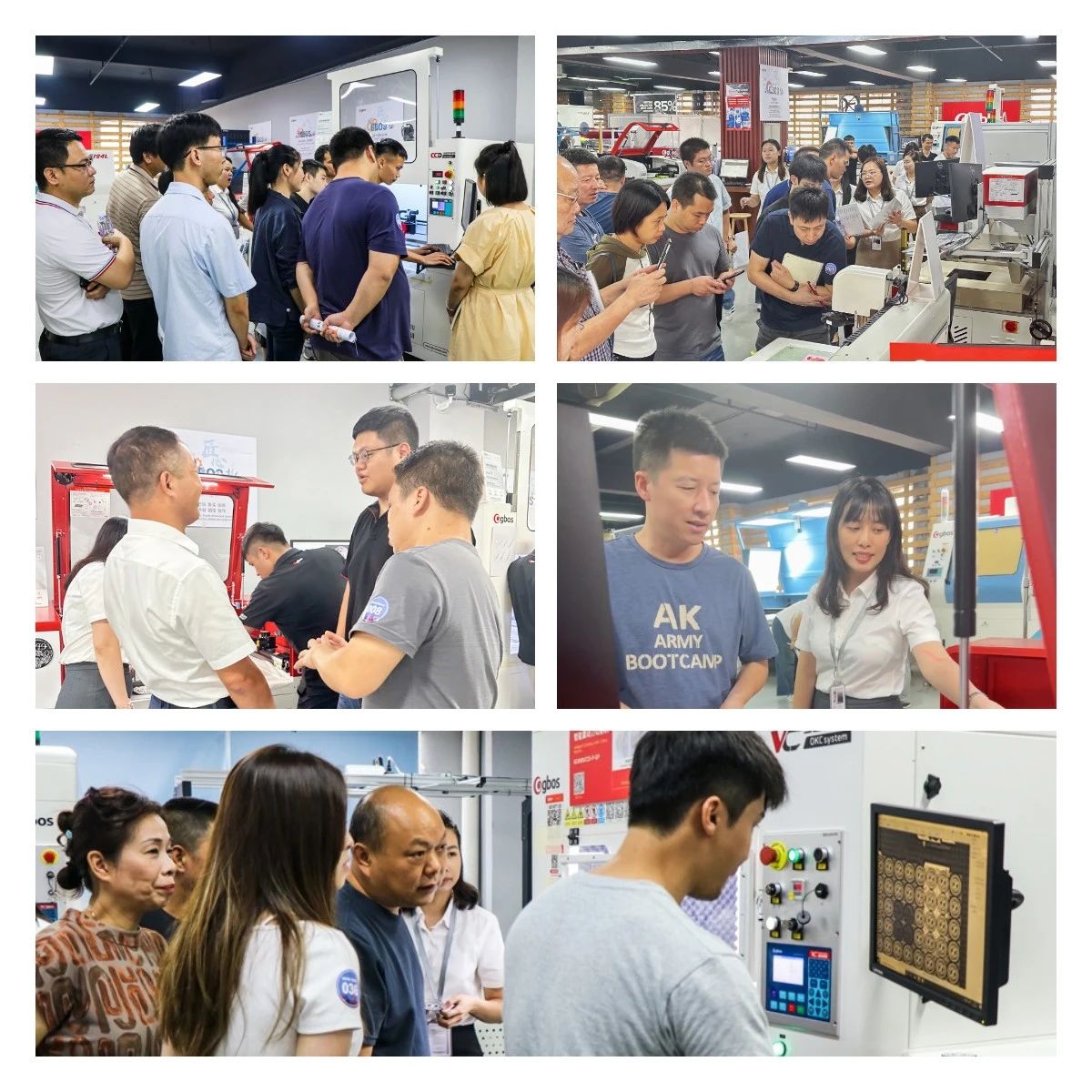
Hands-on demonstration, experience the charm of science and technology
These new products are presented more intuitively in the company’s 6S showroom. Mr. Liu then brought the industry elites to the 6S showroom, a symphony of science and technology and practice slowly played. The new product XLABEL rolls of woven labels are fully automated feeding, identifying, cutting, and collecting waste materials, showing efficient production capacity; the new product GC850SCCD – EP digital blade cutting TPU, no yellow, no yellow edge, no black edge, no scratching, and no oily edge is a wonderful rendition that is marvelous; as well as the newly upgraded XXP3.2 – 250N reflective materials, lettering film full cutting/half-cutting of full-function applications. The demonstration not only allowed the industry elites to see the new XXP3.2-250N reflective material, but also the full-featured application of full/half-cut lettering film, all of which showed even better performance with the strong support of AI visionscan recognition technology. The actual demonstration not only let the industry elites have a clearer and deeper understanding of the cutting application of garment accessories, but also let everyone personally feel the great advantages of automation equipment in the production of woven labels, embroidery, thermal transfer, TPU, anti-counterfeit labels, such as labor saving, convenience and efficiency, as well as the production accuracy that can be improved.
Service-oriented, building the cornerstone of trust
In addition to the demonstration of new products, GBOS after-sales engineer, Mr. Liu, who has been deeply engaged in the application site of garment sccessories for 7 years, shared the details of daily maintenance and upkeep of the machine, and was committed to prolonging the service life of the machine for the users; meanwhile, he also brought the software upgrading technology. Subsequently, in the technical exchange and Q&A session, industry elites had a warm discussion around the practical application of AI visionscan recognition technology, problems in practical application, and the development trend of intelligence in the garment sccessories industry. GBOS technical experts and industry managers who are deeply involved in the user site answered the guests’ various questions in a professional and meticulous manner, which further deepened the industry partners’ firm confidence in the company’s technology and services.
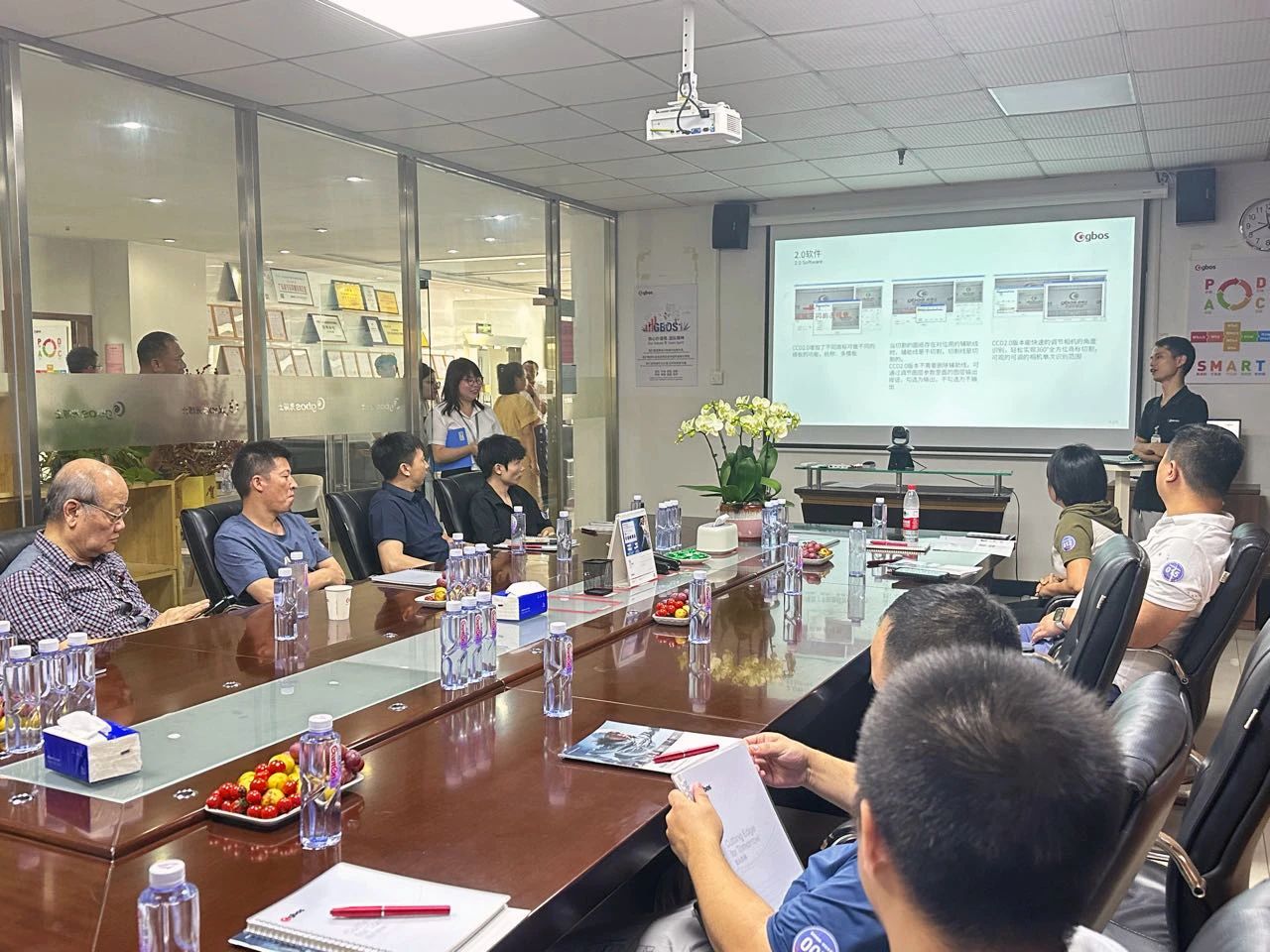
With the successful conclusion of the 2024 GBOS Seminar on Innovative Processes and Applications in Garment Accessories Industry and the Technical Exchange Meeting, we will continue to plough into the intelligent development of the garment accessories industry with full of harvest and confidence. In the future, we will adhere to the concept of “technology-driven development, quality to win the market”, and industry partners hand in hand, and jointly promote the garment accessories industry towards a smarter, greener and more efficient future. We look forward to meeting you again to witness the prosperity and development of the industry!
 Address: No. 1 Liansheng Road, Hongmei Town, Dongguan City, Guangdong Province. CN
  Tel: +86 769 88990609
  Fax: +86 769 88990677
  Email: