


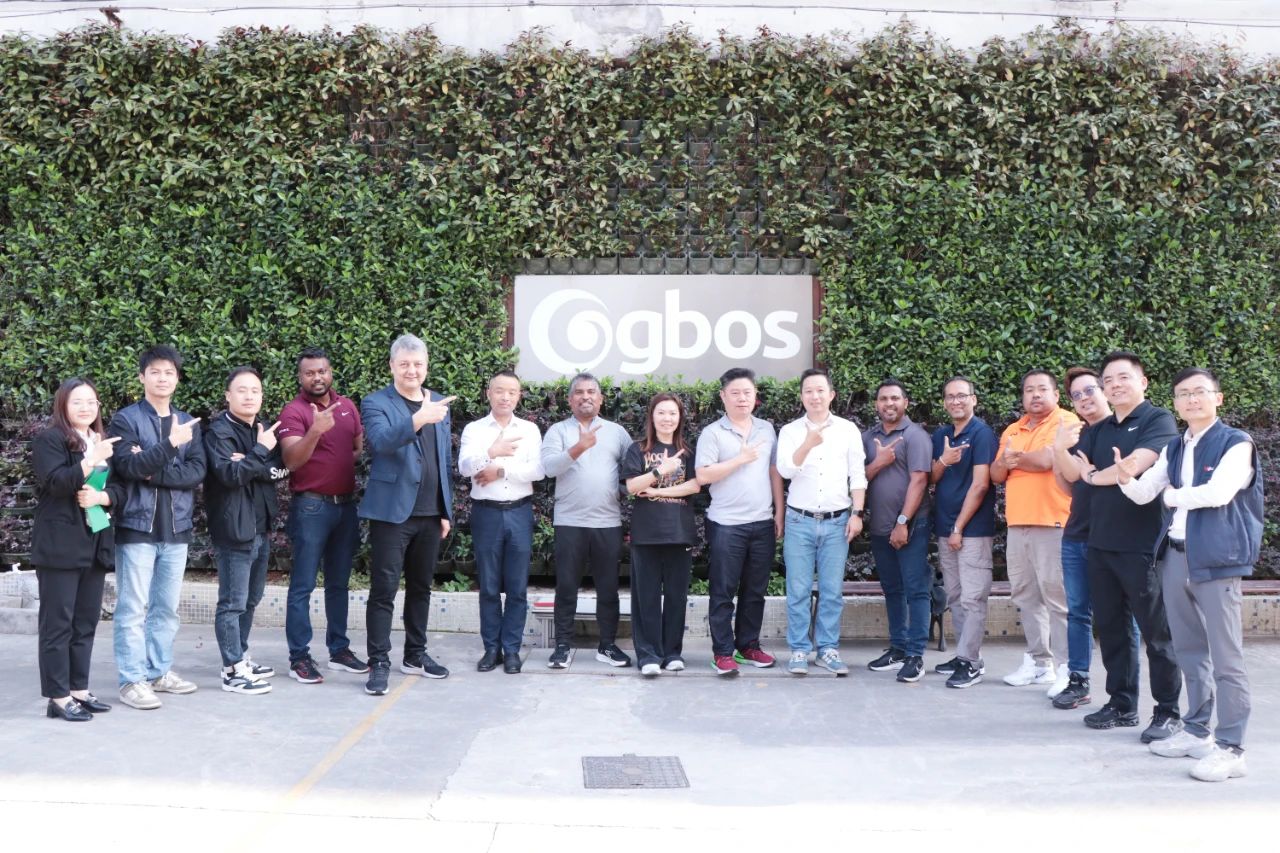
On March 22, the NIKE MM WAVE 1 TEAM from global sports giant NIKE visited GBOS. Both parties engaged in in-depth discussions on one-stop digital cutting solutions for the apparel industry and reached a consensus on collaborating to establish an AI digital cutting center and build an open industrial ecosystem.
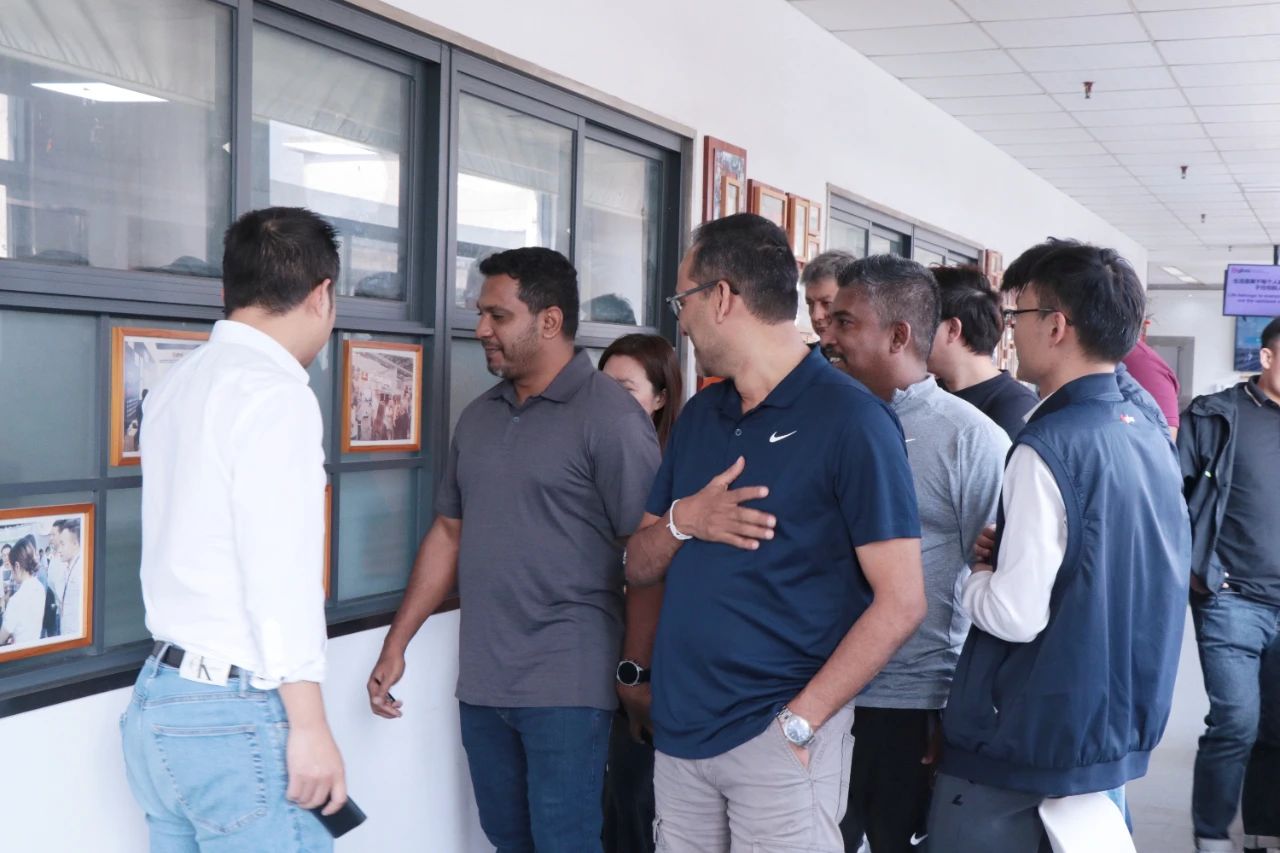
NIKE’s MM WAVE 1 TEAM consists of globally renowned manufacturing factories, playing a key role in ensuring high-quality, high-efficiency production and innovation for NIKE products. It represents the industry’s top production standards.
01 Deep Integration of Concepts: Exploring Industry Trends Together
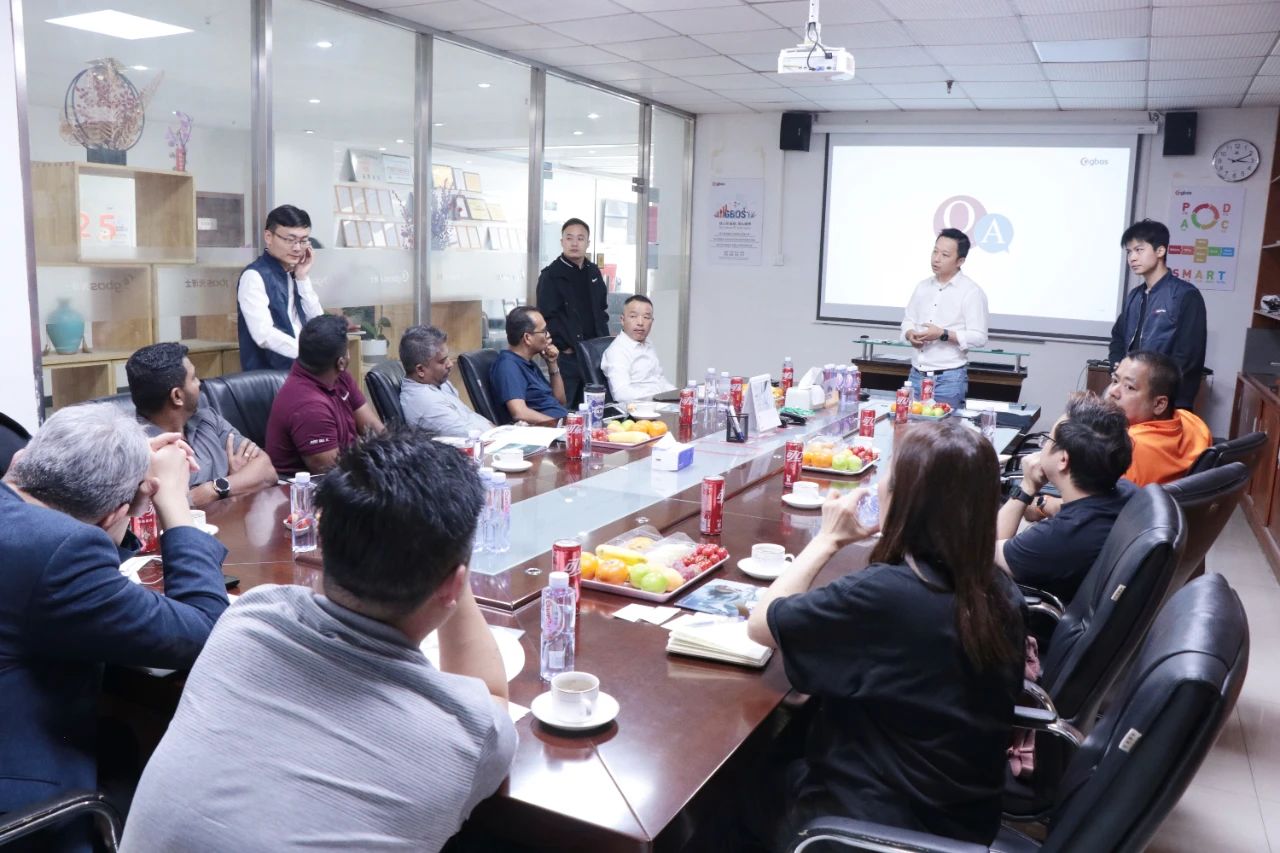
During the exchange meeting, the MM WAVE 1 TEAM showcased NIKE’s top-level supply chain design approach, engaging in an in-depth discussion with GBOS on its intelligent cutting solutions, from technology matrix analysis to flexible production, process innovation, AI and digitalization, and industrial ecosystem applications. GBOS’s green intelligent manufacturing technology aligns with NIKE’s “Zero Carbon Manufacturing 2030” strategy, creating a strong technical synergy. Both parties also had a dynamic and productive discussion on how to meet consumers’ growing demands for functionality, sustainability, and fashion in apparel.
02 Exploring the Innovation Center: Experiencing the Power of Technology
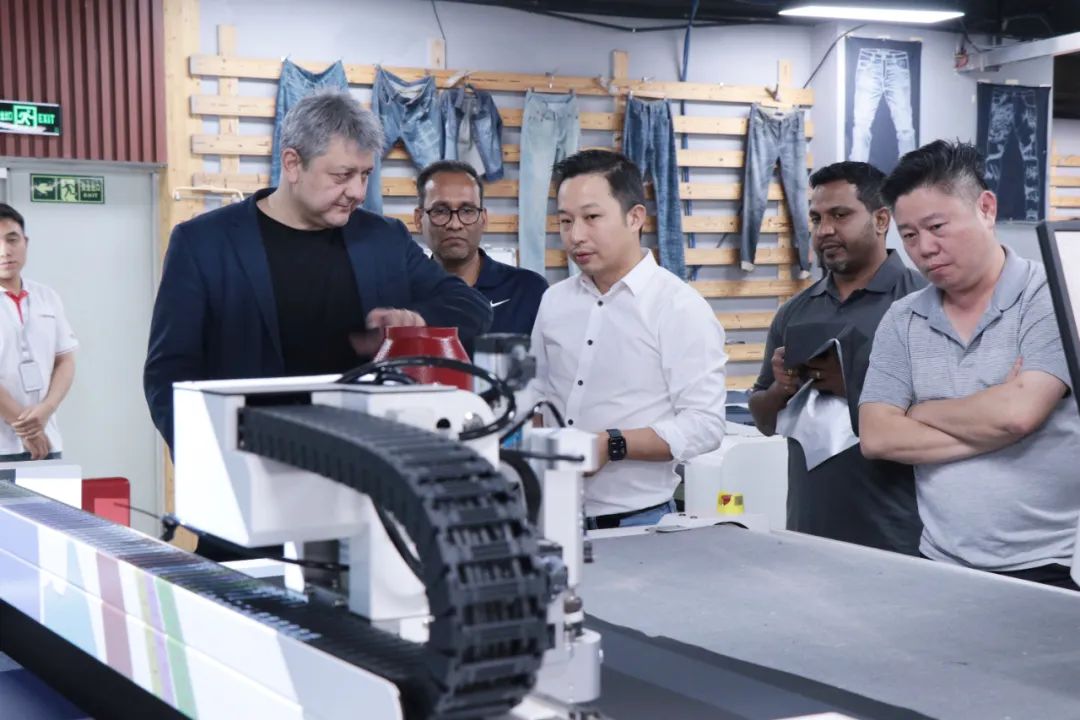
[Process Innovation] During the technology demonstration, the NIKE team conducted an in-depth evaluation of GBOS’s innovative cutting solutions. The core modules include AI vision-based single-layer pattern alignment cutting, ultra-high precision cutting for low and multi-layer fabrics, and versatile multi-material cutting solutions, providing high-precision craftsmanship for premium sportswear manufacturing.
[Laser Technology Breakthrough] The digital laser equipment lineup showcased its advanced capabilities in processing specialty fabrics. The non-yellowing laser cutting system, designed for white fabrics, ensures pristine cutting results, while the cutting process for outdoor functional fabrics meets the standard for zero perceptible thermal damage. It also delivers flawless edge quality on heat-sensitive materials such as light-colored polyester, nylon, seamless bonding fabrics, and cotton, preventing charring and yellowing.
[Intelligent System Integration] The automation technology innovation modules include: the AI vision-guided intelligent PUR seamless dispensing system, the laser-based non-contact marking process (enabling damage-free marking on elastic materials such as elastics), and the 3D-linked laser micro-perforation system, which enhances fabric breathability and wearing comfort.
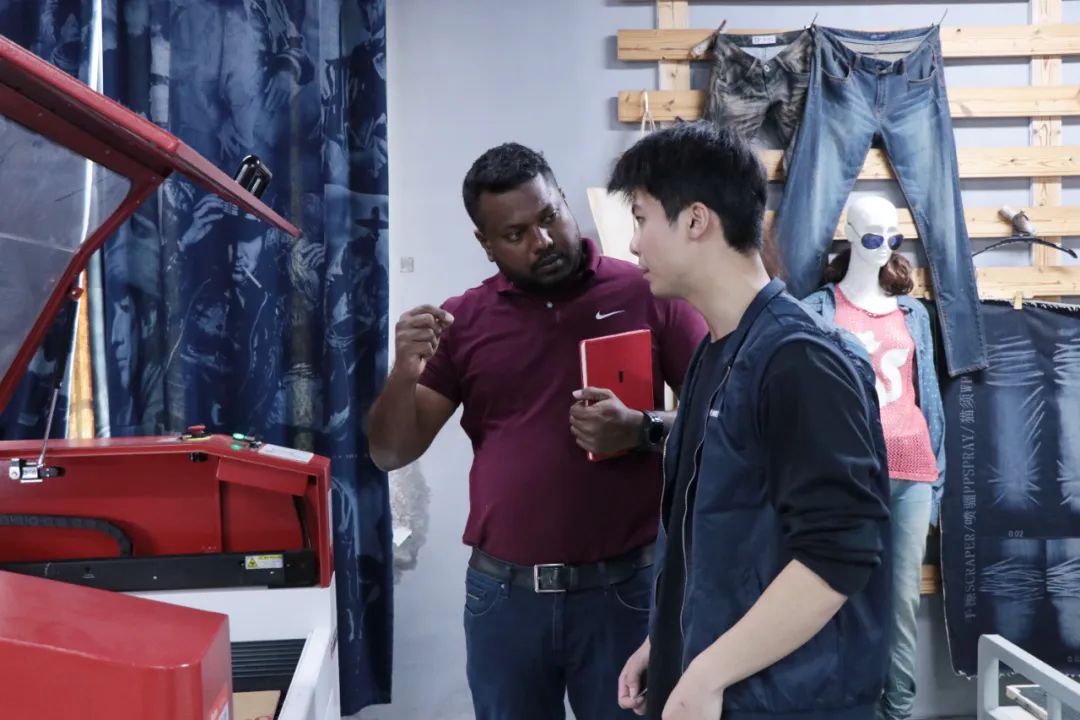
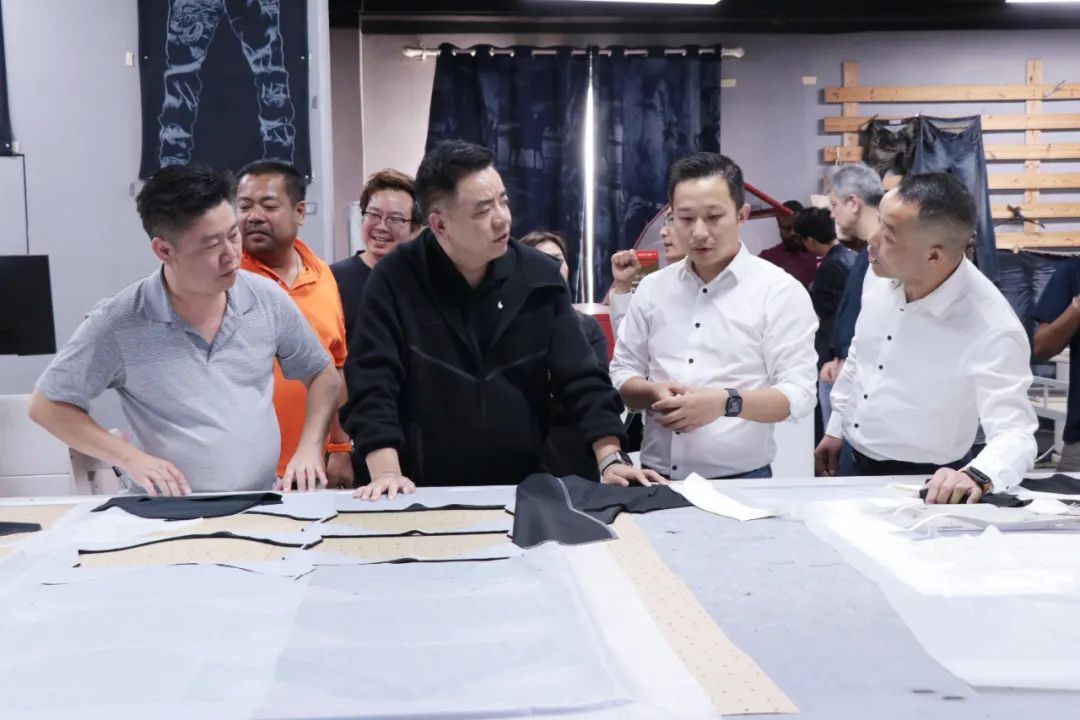
03 Lean Workshop Exploration: Experience Quality Control
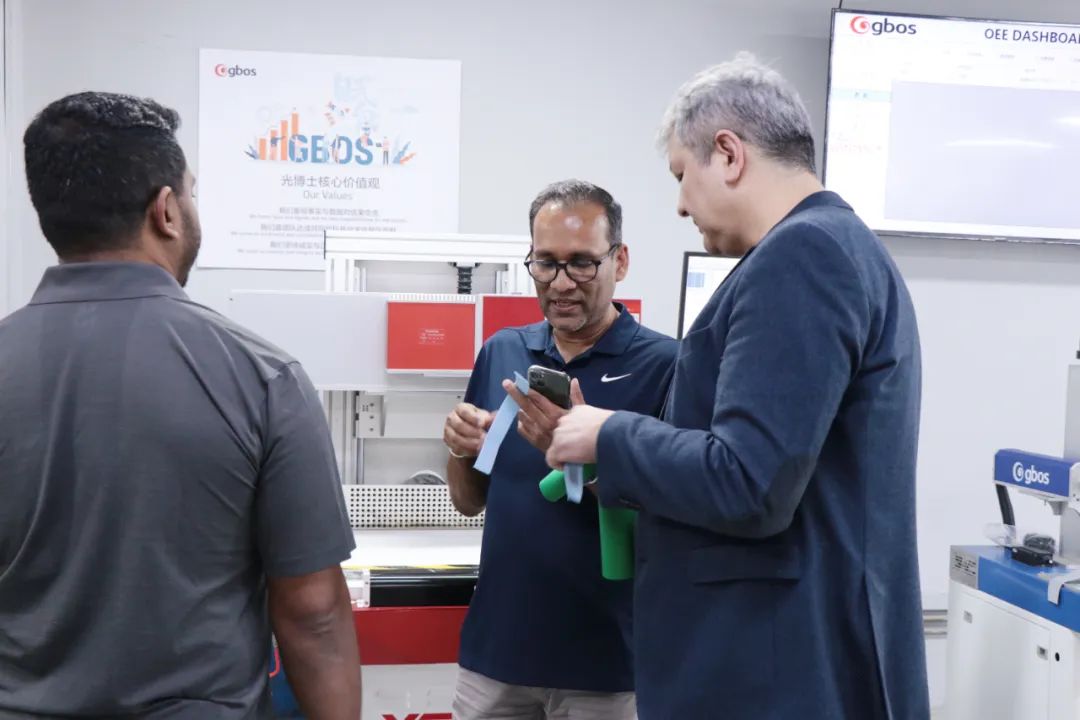
The NIKE team visited GBOS’s modern, lean manufacturing workshop, where standardized processes are strictly followed. From raw material selection to finished product inspection, every step is meticulously controlled. The collaboration of advanced equipment and scientific management ensures product stability and consistency, closely aligning with NIKE’s quality standards, leaving a deep impression on the team.
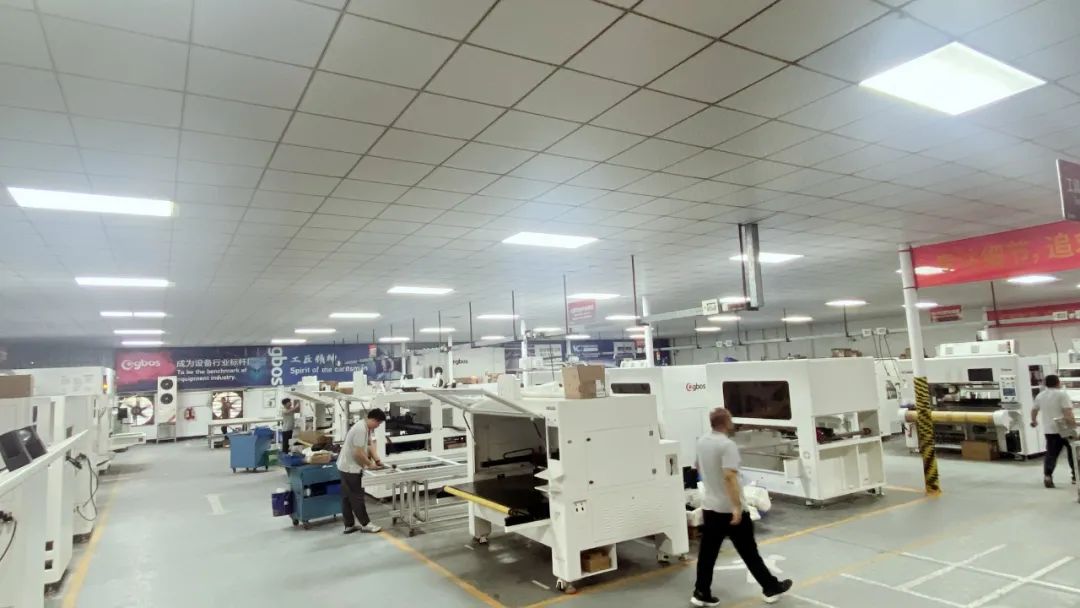
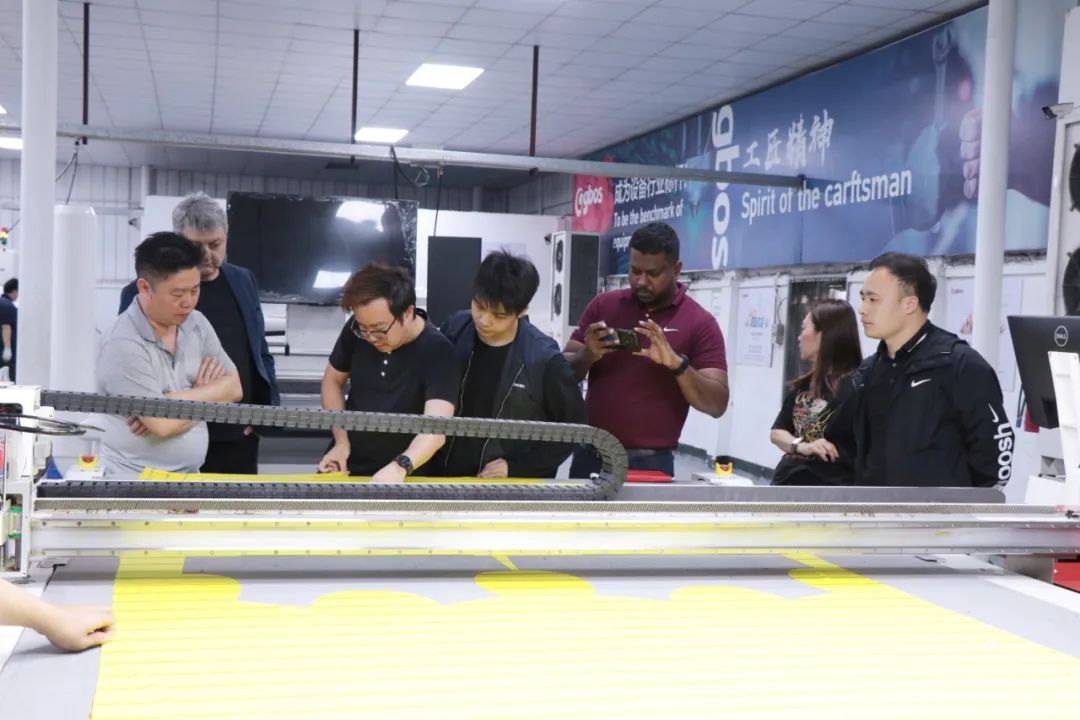
04 Partnering for Brilliance: Looking Ahead to the Future of Intelligent Manufacturing
The visit from the NIKE team marks a significant milestone in the collaboration between both parties. Through the exchange, mutual trust was strengthened, laying the foundation for deep cooperation in the field of intelligent manufacturing. GBOS will continue to innovate and invest in R&D, working alongside partners like NIKE to drive the apparel industry toward a higher level of intelligent cutting.
 Address: No. 1 Liansheng Road, Hongmei Town, Dongguan City, Guangdong Province. CN
  Tel: +86 769 88990609
  Fax: +86 769 88990677
  Email: