


Leather is a valuable natural material used in the footwear, leather goods, and home furnishing industries. Every piece has a unique texture, with defects that are often hidden and irregular in shape. As a key stage at the beginning of production, leather inspection directly affects material utilization and final product quality.

01 The Challenges of Traditional Leather Quality Inspection
Traditional manual leather inspection relies heavily on the experience of skilled workers. Visual inspection is subject to human judgment, making it difficult to eliminate missed defects and misjudgments. In high-volume operations, workers must walk to the opposite side of the machine to retrieve each inspected piece of leather. This repeated movement wastes time and increases physical workload during continuous operation.
Combined with the shortage of skilled operators and rising labor costs, maintaining consistent inspection standards while reducing processing time has become a key challenge for leather manufacturers seeking greater efficiency and higher quality. As the industry moves toward digital and smart manufacturing, there is a growing need for a stable, efficient leather inspection solution that accommodates actual workshop workflows.
02 Digital Leather Inspection for Smarter Leather Manufacturing
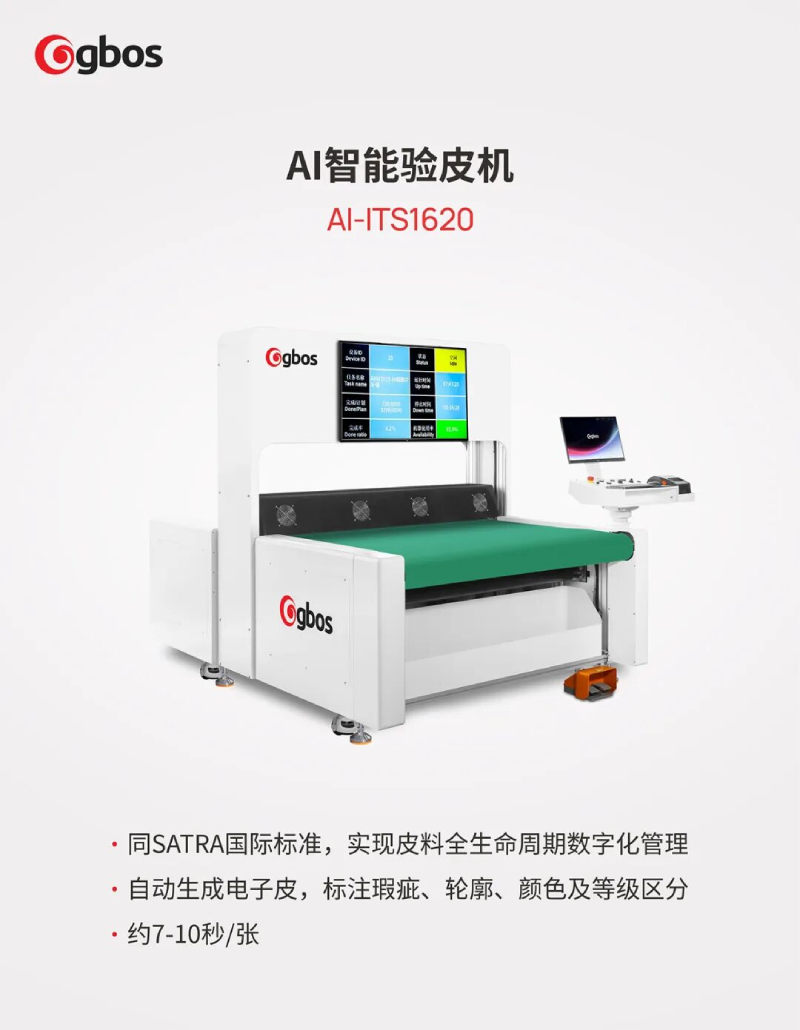
The GBOS AI Intelligent Leather Inspection Machine AI-ITS1620 features a new exterior design that combines industrial aesthetics with practical functionality for workshop use.
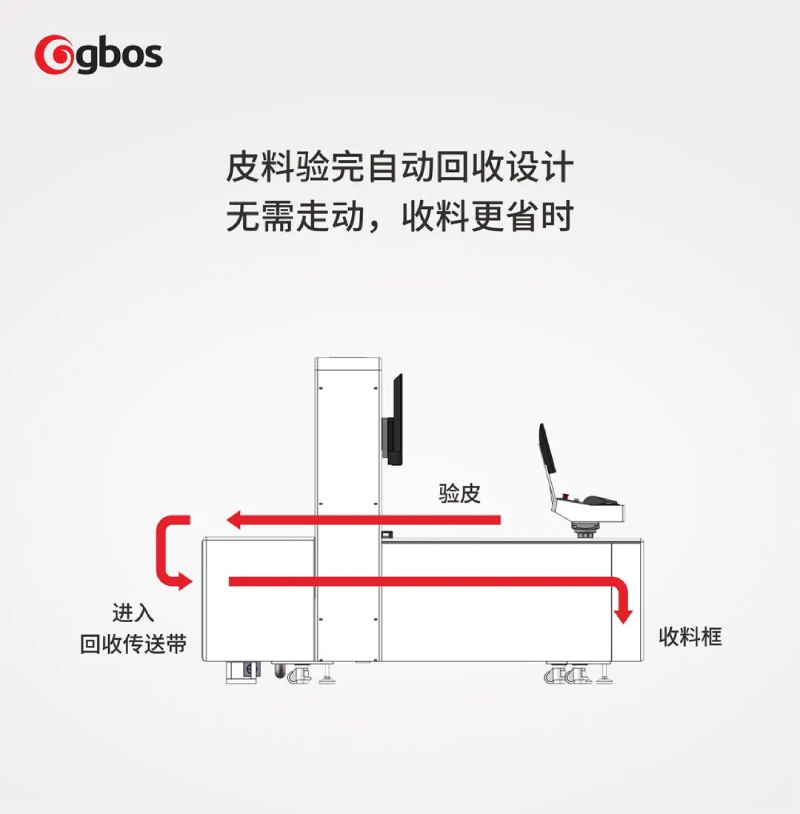
Its innovative dual-conveyor design automatically returns scanned leather to the collection rack on the operator’s side. This eliminates unnecessary walking, makes material collection easier, and supports continuous operation.
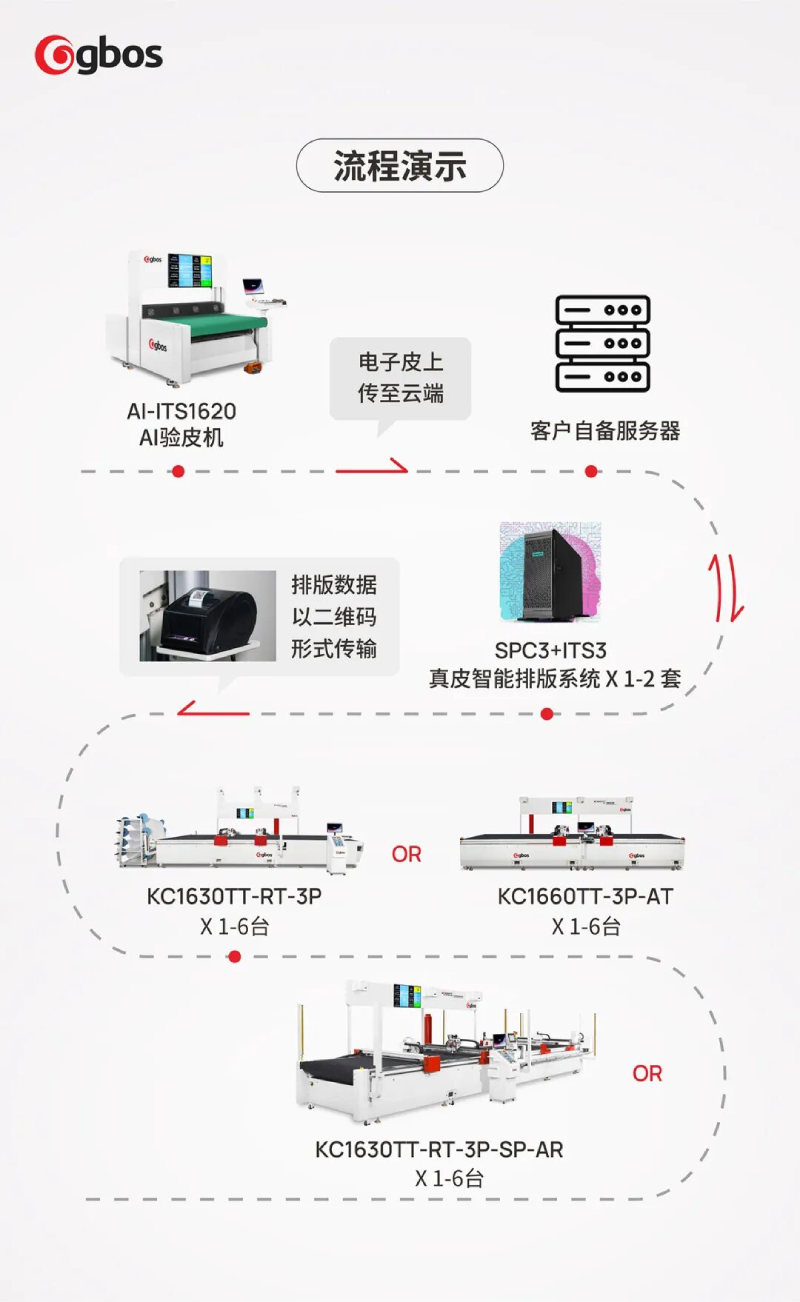
The machine also enables an integrated production workflow: leather feeding and scanning → AI-based defect identification, area calculation, and automatic grading → inspection data uploaded to the server → data transferred to the Intelligent Nesting System for Leather → synchronized operation with the GBOS oscillating knife cutter for precise cutting. This integration connects leather inspection, nesting, cutting, and automatic collection in one continuous process.
Key Advantages
1. AI-powered inspection: AI vision technology benchmarked against SATRA standards uses algorithms trained on a large number of leather samples to reduce subjective errors in manual inspection.
2. Fast inspection and digital identification: Each piece of leather takes only 7–10 seconds to complete contour scanning, defect identification, area calculation, and automatic grading. A dedicated electronic leather code is generated to maintain a digital record throughout the leather’s life cycle.
3. Cloud-based data management: Inspection data is stored in the cloud, enabling traceability throughout the production process and facilitating factory management and review.
4. Automated material return: The dual-conveyor design automatically returns inspected leather to the operator’s side, reducing unnecessary walking and improving production efficiency during high-volume inspection.
5. Integrated data and cutting workflow: Inspection data connects directly to the nesting system and oscillating knife cutter, reducing losses caused by manual data transfer, improving leather utilization, and minimizing waste of valuable raw materials.
With this integrated workflow, leather inspection evolves from a process that depends heavily on experienced workers into a standardized, repeatable digital operation. This reduces manufacturers’ reliance on highly experienced leather inspection technicians while helping maintain consistent product quality.
03 Using Digital Technology to Preserve the Value of Natural Leather
The value of natural leather lies in its unique texture, while the progress of manufacturing lies in transforming uncertain human experience into stable, controllable production capabilities.
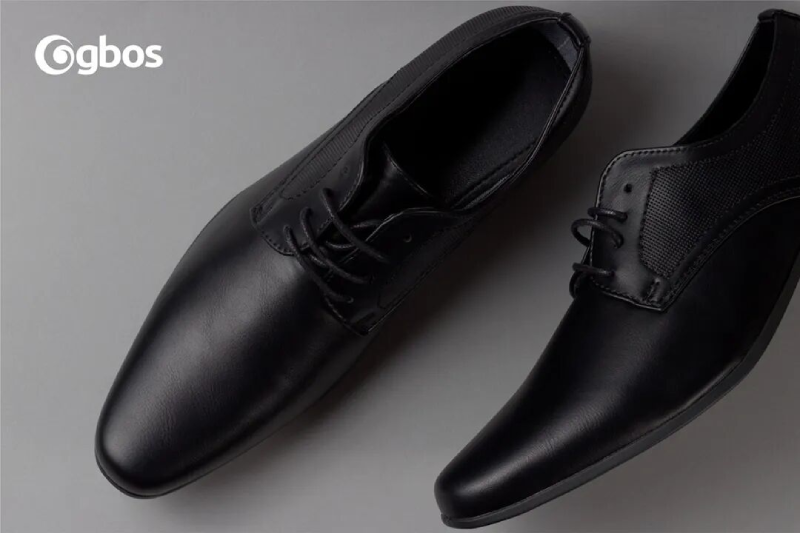
As raw materials become increasingly valuable and manufacturers pursue lean production, standardized inspection and automated material collection help leather manufacturers maintain consistent quality and improve production efficiency. Together, these capabilities unlock greater potential for natural leather in the era of smart manufacturing.
 주소: 광둥성 동관시 홍메이진 리안셩로 1호. CN
 전화: +86 769 88990609
 팩스: +86 769 88990677
 이메일: