


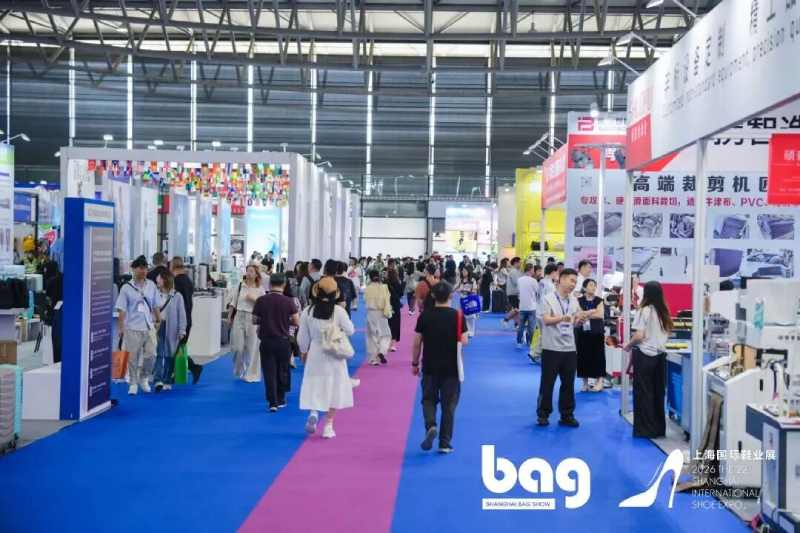
С 26 по 28 июня компания GBOS успешно продемонстрировала свои новейшие интеллектуальные решения в области резки на 22-й Шанхайской международной выставке багажа, прошедшей в Новом международном выставочном центре Шанхая.
Являясь одним из самых влиятельных торговых мероприятий Китая в сфере цепочки поставок багажа и кожаных изделий, выставка этого года затронула вопрос, стоящий перед каждым производителем:
В условиях роста цен на материалы, все более разрозненных заказов и увеличения затрат на рабочую силу, как производители сумок могут сохранить рентабельность и при этом оставаться конкурентоспособными?
На выставке компания GBOS ответила на этот вопрос, представив практичные интеллектуальные производственные решения, которые вызвали большой интерес у специалистов отрасли.
01 Четыре ключевые проблемы, с которыми сталкивается каждый производитель сумок
Причиной сокращения прибыльности является растущий разрыв между традиционными методами производства и современными, быстро меняющимися требованиями рынка. На протяжении всей выставки посетители неоднократно упоминали четыре основные проблемы.
1. Медленная разработка продукции приводит к упущенным рыночным возможностям
Традиционная высечка требует изготовления штампов, многократной настройки и длительного хранения штампов до начала производства. Этот процесс часто занимает несколько дней.
Поскольку модные тенденции меняются всё быстрее, а покупатели всё чаще требуют выпуска продукции небольшими партиями и с индивидуальными характеристиками, время и затраты на изготовление пресс-форм стали серьёзным бременем, из-за чего производители упускают ценные рыночные возможности.
2. Отходы кожи продолжают снижать рентабельность
Натуральная кожа премиум-класса с каждым годом становится всё дороже, поэтому рациональное использование материала приобретает как никогда ранее решающее значение.
Ручная раскладка в значительной степени зависит от опыта оператора и не позволяет точно избежать естественных дефектов, рубцов или нестандартных форм шкур. В результате значительные объёмы кожи высшего сорта превращаются в отходы, что существенно снижает рентабельность каждого заказа.
3. Сильная зависимость от квалифицированной рабочей силы ограничивает стабильность производства
Такие процессы, как резка, позиционирование и обрезка кромок, полностью зависят от опыта операторов.
Однако набор квалифицированной рабочей силы становится всё более сложной и дорогостоящей задачей. Ручные операции неизбежно приводят к несоответствиям в размерах, что влечёт за собой рост количества брака, увеличение объёма переделок, дополнительные отходы материала и снижение эффективности производства.
4. Традиционные технологии сталкиваются с трудностями при работе с новыми экологически безопасными материалами
По мере того как экологически чистые материалы, такие как переработанная кожа, водонепроницаемые композитные ткани и EVA, продолжают набирать популярность, многие традиционные производственные линии сталкиваются с трудностями при их эффективной переработке.
Отсутствие взаимосвязи между процессами проектирования, раскроя и отделки ещё больше снижает гибкость производства, что делает цифровую трансформацию всё более необходимой.
Эти проблемы невозможно решить лишь за счет модернизации отдельных станков. Производителям необходима полная цифровая трансформация процесса раскроя — основы производства мешков.
Именно эту ценность и продемонстрировала компания GBOS на протяжении всей выставки.
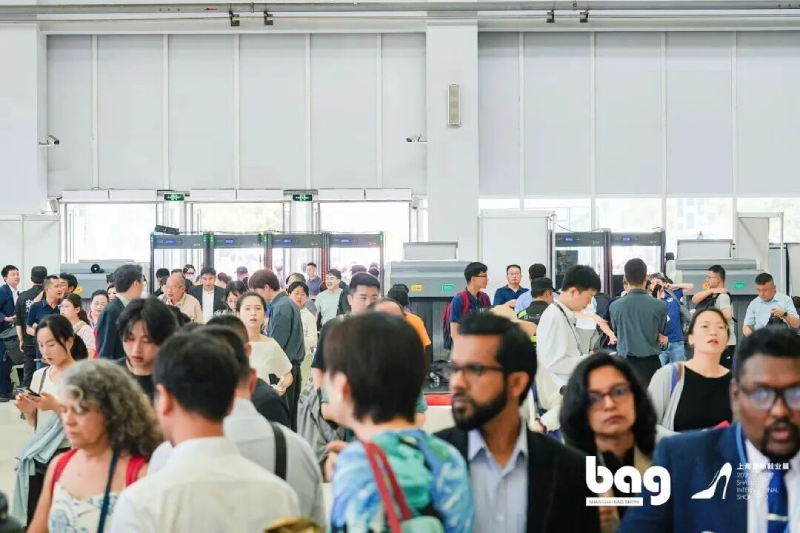
02. Живые демонстрации продемонстрировали истинную ценность интеллектуального производства
Вместо того чтобы просто демонстрировать оборудование, компания GBOS воссоздала реальные производственные сценарии с помощью полномасштабных демонстраций в режиме реального времени, что позволило посетителям воочию убедиться в разнице между традиционным производством и цифровым интеллектуальным производством.
На месте был продемонстрирован весь технологический процесс раскроя — от сумок и кожаных сумок до различных других видов сумок — с использованием интеллектуальной технологии раскроя на базе искусственного интеллекта.
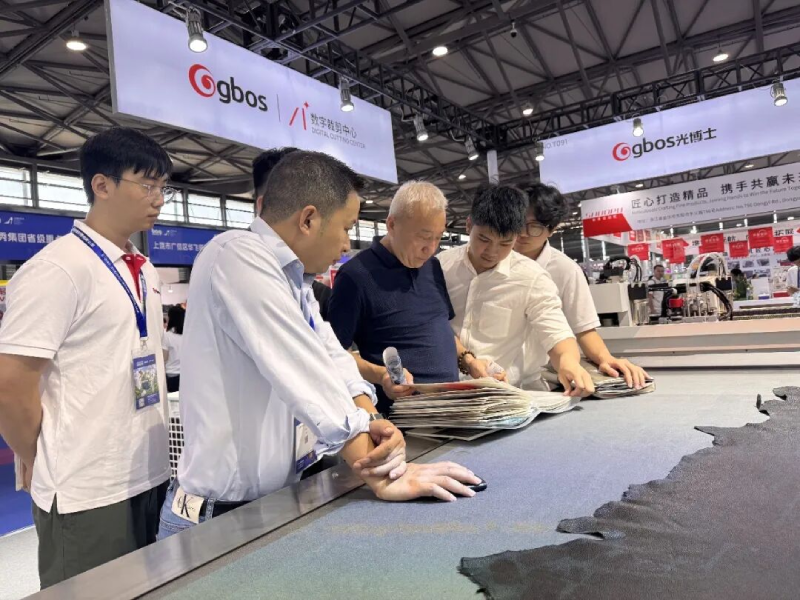
Благодаря технологиям искусственного интеллекта в области машинного зрения каждая кожаная деталь используется с максимальной эффективностью
Система AI VisionScan автоматически сканировала кожаные поверхности, точно выявляла естественные дефекты, такие как шрамы и пятна, и с помощью интеллектуальных алгоритмов оптимизировала схемы раскладки.
По сравнению с ручной раскладкой производители смогли сразу же убедиться, насколько искусственный интеллект значительно повышает коэффициент использования кожи и одновременно сокращает отходы материала.
Точная резка повышает качество и сокращает объем доработки
При выполнении сложных производственных задач — включая сопоставление лекал, выравнивание полос и текстуры ткани, раскрой нестандартных форм, а также подготовку отверстий для молний — оборудование автоматически выполняло все этапы процесса с исключительной точностью.
Стабильно точная резка позволила значительно сократить погрешности выравнивания и дефекты качества, вызванные ручными операциями, что привело к снижению как затрат на доработку, так и расхода материала.
Быстрое изготовление образцов без использования физических штампов
Благодаря цифровому технологическому процессу GBOS производителям больше не нужно изготавливать или хранить высекальные штампы.
Достаточно просто импортировать новый дизайн — и система сразу же готова к изготовлению образцов или серийному производству.
Такая гибкость идеально соответствует современным условиям производства, где мелкие партии, разнообразие моделей и ускоренный вывод продукции на рынок стали нормой.
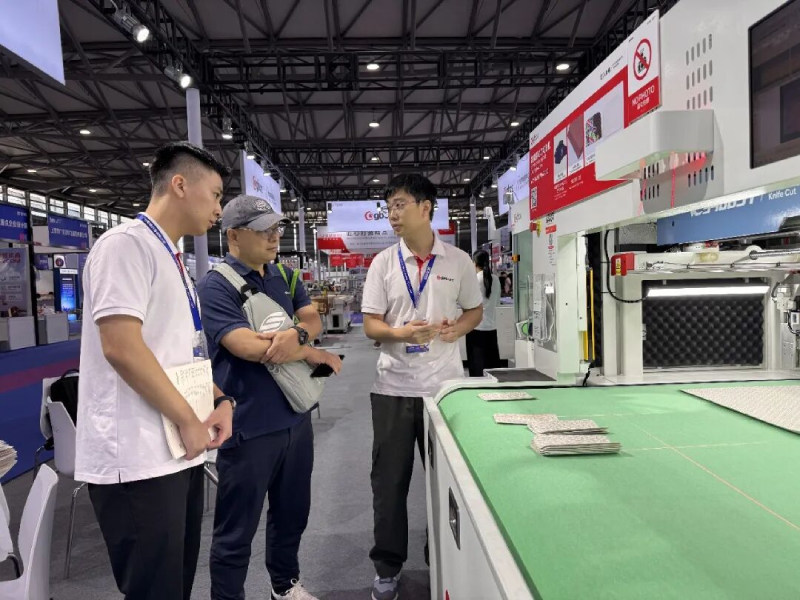
Совместимость с широким спектром материалов
В ходе живых демонстраций были представлены различные широко используемые материалы, в том числе натуральная кожа, полиуретан (PU), переработанная кожа, ЭВА и другие экологически безопасные материалы.
Посетители из различных отраслей промышленности смогли непосредственно оценить, насколько решения GBOS соответствуют их собственным производственным потребностям и планам дальнейшего развития.
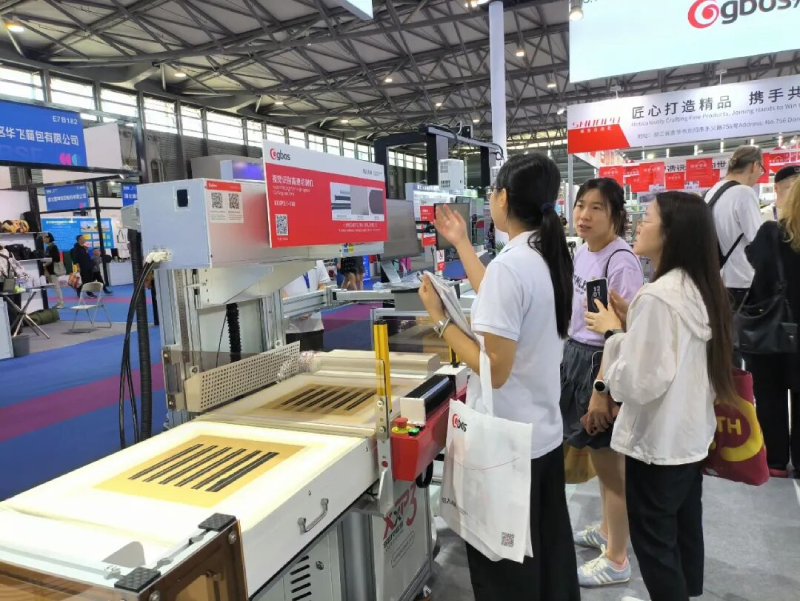
От поставщика оборудования до партнера по цифровой трансформации
Что ещё более важно, компания GBOS представила не просто отдельные станки, а комплексное решение для цифрового производства.
На протяжении всей выставки технические специалисты работали с посетителями в индивидуальном порядке, анализируя ассортимент продукции каждого завода, характеристики материалов и производственные процессы, чтобы рассчитать потенциальную экономию материалов, трудозатрат и времени производства.
Вместо того чтобы обсуждать цифровую трансформацию как абстрактную концепцию, компания GBOS продемонстрировала конкретные улучшения, которых производители могут реально добиться.
Руководствуясь своей философией “Сначала решение, сначала внедрение”, компания GBOS по-прежнему стремится предоставлять индивидуальные решения в области цифрового производства, а не просто поставлять оборудование.
03 Цифровая трансформация — это уже не просто возможность, а будущее производства сумок
Нынешняя Шанхайская международная выставка багажа дала отрасли четкий сигнал:
Эпоха, когда для получения прибыли полагались на дешевую рабочую силу и высокий расход материалов, осталась в прошлом.
По мере того как цены на сырье продолжают расти, потребительский спрос становится всё более разнообразным, а затраты на рабочую силу неуклонно увеличиваются, традиционные методы высечки и ручного производства теряют свою рентабельность.
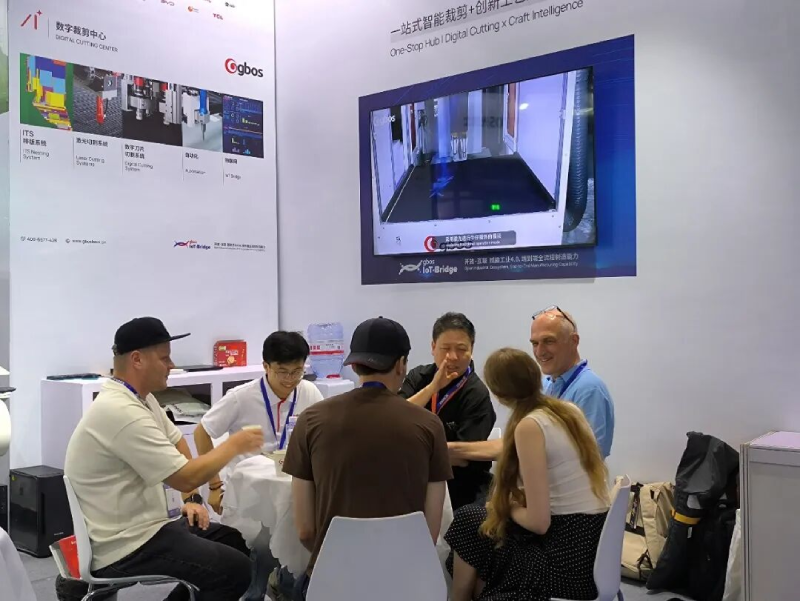
Будь то ведущие отечественные производители или глобальные производственные предприятия, интеллектуальная резка быстро стала общим направлением будущего развития.
Цифровая трансформация — это не просто автоматизация или сокращение трудовых ресурсов, а перестройка всего производственного процесса.
Снижение отходов материалов, ускорение разработки продукции, более стабильное качество и уменьшение зависимости от квалифицированной рабочей силы в совокупности обеспечивают более высокую конкурентоспособность и более стабильную рентабельность.
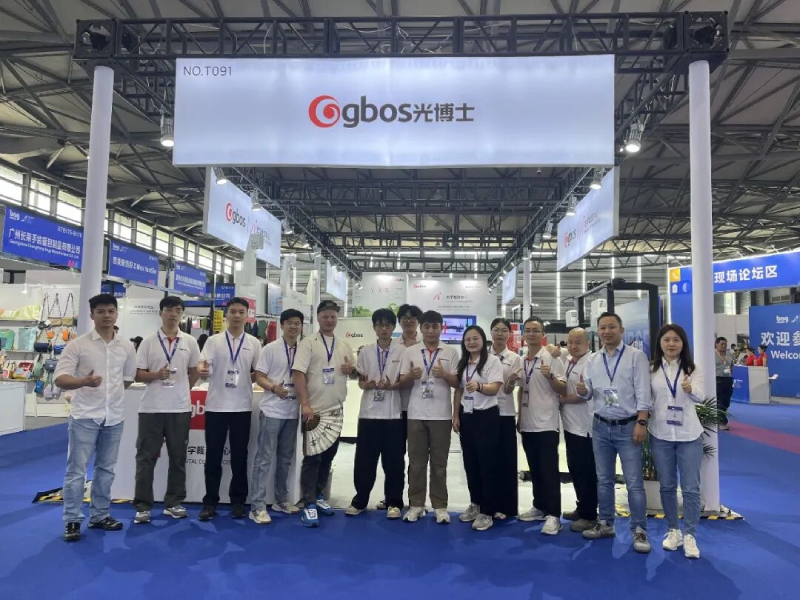
В перспективе компания GBOS намерена продолжать тесное сотрудничество с отраслью по производству мешков, помогая предприятиям добиваться как краткосрочного сокращения затрат, так и долгосрочного устойчивого развития за счет внедрения интеллектуальных, экологичных и цифровых производственных решений.
Предлагая практические технологии, дающие очевидные и измеримые результаты, компания GBOS стремится помочь как можно большему числу производителей на их пути к более интеллектуальному и эффективному производству.
 Адрес: ул. Ляньшэн, д. 1, город Хунмэй, город Дунгуань, провинция Гуандун. CN
  Тел: +86 769 88990609
  Факс: +86 769 88990677
  Электронная почта: